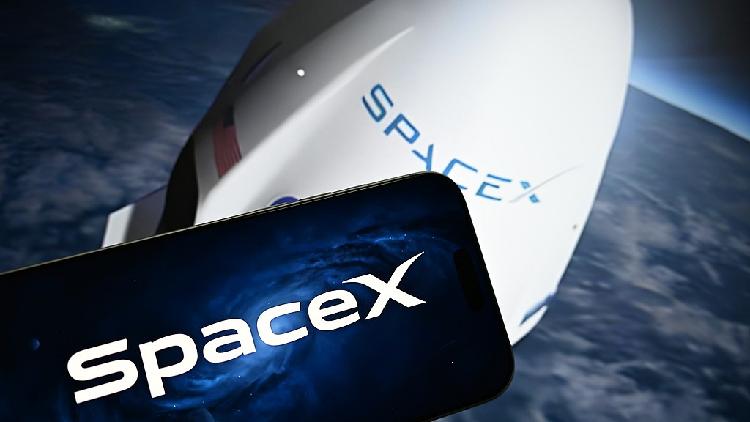
SpaceX’s Major Contract with US Space Force Signals Shift in Military Launch Strategy
SpaceX US Space Force contract — SpaceX has been awarded a significant contract valued at $1.6 billion by the United States Space Force, aimed at conducting 18 Falcon 9 missions scheduled through 2027. This contract underscores the growing dependence of the US military on private aerospace companies, particularly in the realm of satellite deployment for national defense. The primary objective of these launches is to place Pentagon satellites into orbit, which are specifically designed to detect and target airborne threats, a critical capability for modern military operations.
The announcement of this contract came on July 30, 2026, as part of the Space Force’s ongoing strategy to enhance its launch procurement capabilities. The missions will be executed under two task orders that fall within the Space Force’s flagship launch program, which also includes other major aerospace players such as United Launch Alliance (ULA) and Blue Origin. SpaceX has established itself as a leading contender in this competitive field, having secured contracts worth over $7 billion from the Pentagon alone this year, a figure that reflects the company’s growing prominence in the military space sector.
Earlier in the year, SpaceX received a notable $6.5 billion allocation for satellite missions, which comprised a $4.16 billion project focused on airborne moving target indicator satellites and an additional $2.29 billion for advanced communication satellites. These satellites are crucial for enabling real-time data transmission between missile warning systems and interceptors, thereby enhancing the effectiveness of the US military’s defense strategies against potential airborne threats.
Eric Zarybnisky, an acquisition official with the Space Force, highlighted the rapid pace of the recent procurement cycle, describing it as having an “unprecedented two-month acquisition timeline.” This acceleration reflects the Space Force’s strategic initiative to streamline the procurement process for space capabilities from private sector partners, emphasizing a shift toward enhanced operational efficiency and responsiveness in an increasingly competitive global landscape.
Despite SpaceX’s impressive track record, concerns have been voiced among some US lawmakers regarding the Pentagon’s heavy reliance on a single vendor for its space launch needs. Critics argue that such dependence could pose risks to national security and operational readiness in the event of a disruption. In response to these concerns, Space Force officials have reiterated their commitment to fostering a competitive environment within the aerospace industry. This is particularly relevant given the current challenges faced by ULA, which is undergoing a technical investigation related to its Vulcan rocket’s booster separation system, and Blue Origin, which is addressing complications following a launchpad explosion of its New Glenn rocket.
The awarding of this contract to SpaceX is emblematic of a broader trend within the US military to partner with private aerospace firms, a strategy that has gained momentum in recent years. This shift has been driven by the need for rapid innovation and cost-effective solutions in the ever-evolving landscape of space defense. As the military continues to enhance its capabilities, the role of private companies like SpaceX is expected to grow, potentially reshaping the future of military operations in space.
In conclusion, the $1.6 billion contract awarded to SpaceX not only highlights the company’s dominance in the aerospace sector but also reflects the US military’s strategic pivot towards leveraging private industry for its defense needs. As the Space Force continues to expand its operational capabilities, the implications of this partnership will likely resonate throughout the aerospace community and beyond, influencing the dynamics of military procurement and technological advancement in the years to come.