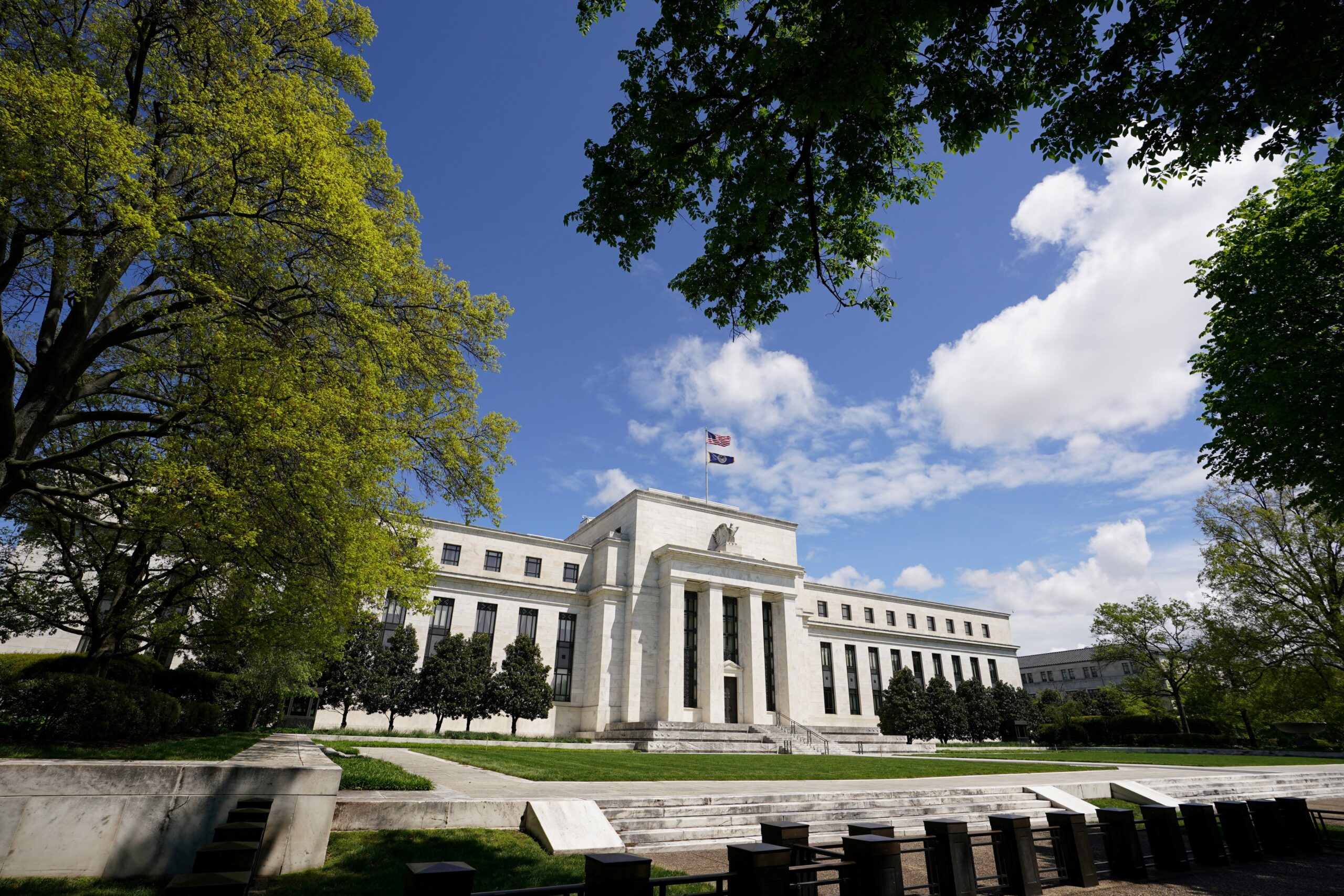
Federal Reserve Maintains Interest Rates Amid Geopolitical Tensions and Economic Growth
Federal Reserve interest rates — The Federal Reserve (Fed), the central bank of the United States, announced on July 29, 2026, that it will keep its interest rates unchanged within the range of 3.50% to 3.75% per year. This decision marks the fifth consecutive meeting where rates have remained steady, reflecting a cautious approach by the Fed amid persistent economic uncertainties, particularly those stemming from geopolitical issues in the Middle East.
The Fed’s decision aligns with market expectations and highlights the ongoing inflationary pressures that continue to affect the U.S. economy. These pressures have been exacerbated by rising oil prices, a direct consequence of the ongoing conflict in the Middle East, which has raised concerns about both economic stability and inflation rates. The situation underscores how international conflicts can have far-reaching effects on domestic economic policies, illustrating the interconnectedness of global markets.
In a statement issued after the Federal Open Market Committee (FOMC) meeting, the committee noted that economic activity is expanding at a solid pace, despite significant uncertainties that have arisen, particularly due to the geopolitical tensions in the Middle East. The FOMC reaffirmed its commitment to its dual mandate of controlling inflation and promoting maximum employment, which is especially pertinent given the current economic landscape.
Despite the signs of growth in the economy, the FOMC acknowledged that inflation remains above the targeted rate of 2%. This inflationary trend is influenced by supply shocks that have impacted various sectors, notably energy. While productivity growth and capital investment levels are strong, the labor market remains stable, showing little fluctuation in the unemployment rate. These mixed signals create a complex environment for policymakers, as they strive to balance growth with inflation control.
Interestingly, the decision to maintain interest rates was not unanimous among the FOMC members. Three out of the twelve voting members—Beth M. Hammack, Neel Kashkari, and Lorie K. Logan—advocated for a 0.25 percentage point increase. This division within the committee reflects differing perspectives on how to respond to the current economic challenges, illustrating the complexities involved in monetary policy formulation.
The decision comes at a pivotal time for the Fed, which is currently under new leadership. Kevin Warsh, who was appointed by former President Donald Trump, has been leading the central bank since May 22, 2026. Warsh’s appointment follows a period of tension between Trump and former Fed Chair Jerome Powell regarding interest rate policies. Trump’s administration has frequently criticized high-interest rates, arguing that they could impede economic growth and recovery efforts.
The implications of the Fed’s interest rate policy extend beyond the borders of the United States, impacting economies worldwide, including Brazil. With U.S. interest rates remaining historically high, there is growing pressure on Brazil’s central bank to maintain elevated rates as well. This situation can influence currency exchange rates and broader economic conditions in Brazil, a country that has significant trade ties with the U.S. and is sensitive to fluctuations in U.S. monetary policy.
As the Fed navigates this intricate landscape of economic growth, inflation, and geopolitical uncertainty, its decisions will continue to reverberate through both domestic and international markets. The ongoing dialogue within the FOMC and the divergent views among its members highlight the complexities of managing a national economy in a global context, where external factors can have profound effects on internal economic stability.