Iran’s Warning on Strait of Hormuz Transit and Frozen Assets
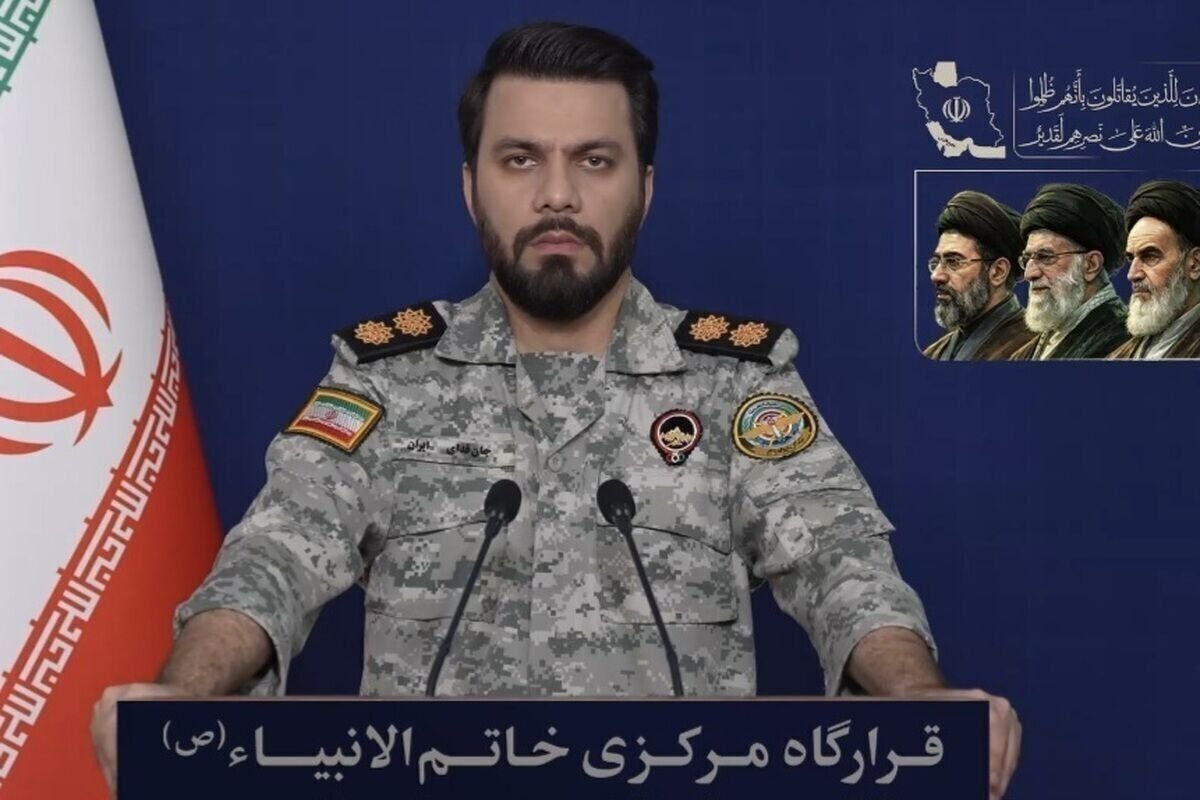
Hormuz transit ban — An Iranian military spokesperson has issued a stark warning that any nation or company accepting payments from Iran’s frozen assets, as proposed by former US President Donald Trump, would be prohibited from transiting the critical Strait of Hormuz. This statement, made on July 29, 2026, underscores the ongoing tensions surrounding Iran’s financial resources and its strategic maritime routes, which are vital for the global economy.
The Strait of Hormuz serves as a crucial chokepoint for approximately one-fifth of the world’s oil supply, making it a focal point of geopolitical contention, particularly between Iran and Western nations. Tehran’s military officials have consistently emphasized the importance of safeguarding its economic interests, especially amid international sanctions that have severely restricted Iran’s access to its own financial assets held abroad. The backdrop of these sanctions, imposed primarily by the United States and its allies, has intensified Iran’s resolve to assert its control over its resources, further complicating the already fraught relations with the West.
This recent threat reflects Iran’s broader strategy to leverage its geopolitical position in response to external pressures. By threatening to block transit through the Strait of Hormuz, Iran aims to dissuade countries from engaging with the United States’ proposals regarding its frozen assets. The Iranian military spokesperson did not specify which nations might be affected, but the implications could extend to numerous global companies involved in oil and trade, particularly those that have business ties with the United States. This could create a significant dilemma for international firms that rely on the Strait of Hormuz for their shipping routes.
Iran’s warning comes at a time when the region is already experiencing heightened tensions, particularly following various confrontations between Iranian forces and US military assets in the Gulf. Incidents involving drone attacks and naval skirmishes have raised alarms about the potential for escalating conflict in this strategically important region. The security of maritime routes, crucial for global energy supplies, is now under increasing scrutiny from international observers. The threat to block the Strait of Hormuz could have far-reaching implications not only for oil prices but also for global economic stability, as many countries depend on this passage for their energy imports.
As the situation develops, it remains to be seen how countries will respond to Iran’s ultimatum. The risk of losing access to the Strait of Hormuz may deter some nations and companies from engaging with the financial proposals linked to Iran’s frozen assets. However, the potential for lucrative trade opportunities may also tempt others to disregard Iran’s threats. Tehran’s assertive stance signals its determination to protect its interests amid ongoing economic challenges and international scrutiny.
The Iranian government has long maintained that its frozen assets, estimated to be in the tens of billions of dollars, are rightfully owned by the state and should be released. This position is further complicated by the intricate web of international relations and the ongoing negotiations surrounding Iran’s nuclear program. The interplay between these factors adds another layer of complexity to the already tense situation in the region.
In summary, Iran’s warning regarding the Strait of Hormuz is not merely a tactical maneuver but a reflection of its broader strategy to assert its sovereignty and economic rights in the face of external pressures. The coming weeks will likely reveal how this situation unfolds and what ramifications it may have for international maritime trade and regional security.