UNESCO Highlights Cultural Heritage Amid Global Conflicts
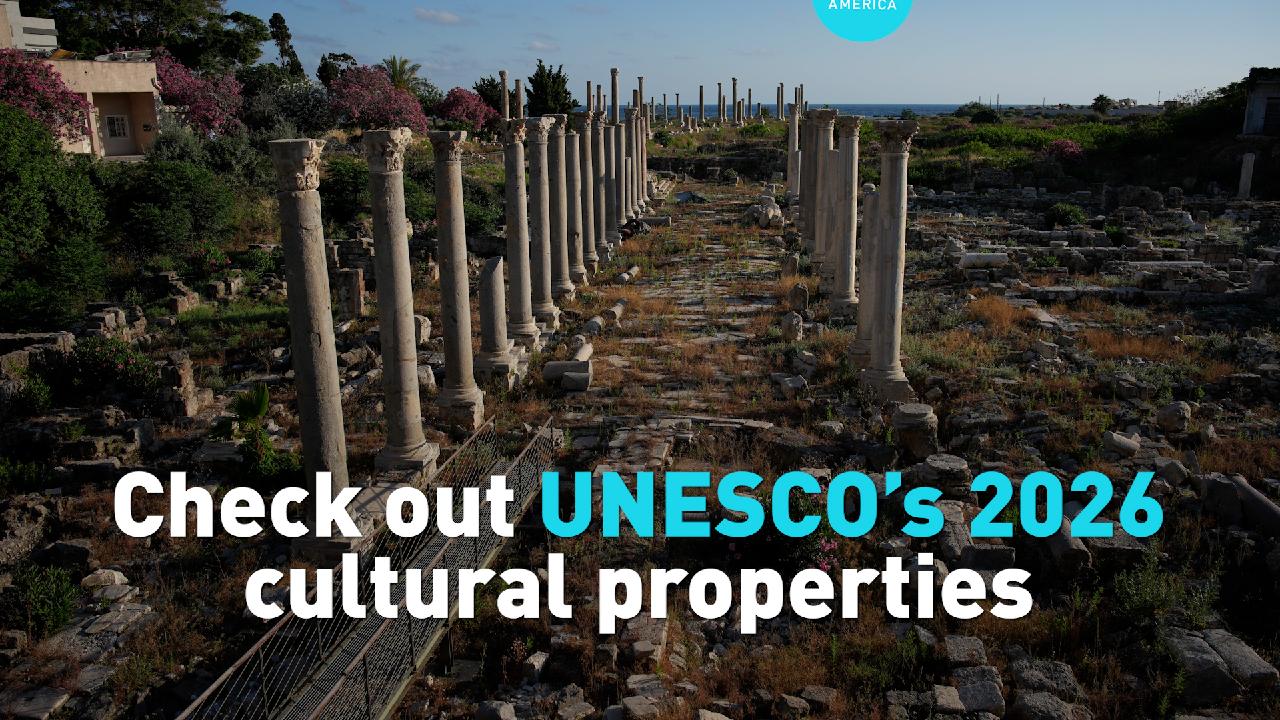
UNESCO cultural properties 2026 — On July 26, 2026, UNESCO unveiled its latest list of 25 cultural properties set for recognition, emphasizing the critical importance of safeguarding global heritage. This year’s selections notably include sites that are under threat due to ongoing conflicts, thereby drawing attention to the precarious state of cultural landmarks worldwide.
The inclusion of properties from regions plagued by instability underscores the direct link between cultural preservation and geopolitical tensions. Among the highlighted sites are several from the Middle East, particularly in war-torn nations such as Syria and Iraq. These areas, which are rich in historical significance, have faced extensive damage resulting from armed conflicts in recent years. The destruction of ancient structures and archaeological sites in these countries not only represents a loss of cultural identity but also poses a challenge to the historical narrative of humanity.
UNESCO’s recognition of these endangered sites is intended to galvanize international support for their protection and restoration. By bringing global attention to these properties, the organization aims to foster collaborative efforts to prevent further destruction. This initiative aligns with UNESCO’s mission to promote peace through cultural understanding and heritage preservation, reflecting a belief that cultural sites are vital to the identity and continuity of communities.
In the Balkans, where conflicts in the 1990s led to significant damage to cultural heritage, the recognition of properties by UNESCO carries particular weight. The region, which has a rich tapestry of historical influences ranging from Ottoman to Austro-Hungarian, has seen its cultural landmarks threatened by war and political strife. The acknowledgment of these sites serves as a poignant reminder of the necessity for vigilance and commitment to cultural preservation, particularly in the face of adversity.
UNESCO’s 2026 list not only mirrors the current state of cultural properties around the globe but also issues a clarion call for nations and organizations to prioritize the safeguarding of cultural heritage. As international attention shifts towards these sites, there is hope that it will result in increased funding and resources dedicated to their protection and restoration. The ongoing dialogues between nations regarding cultural preservation could potentially lead to enhanced diplomatic relations, as countries unite under the common goal of protecting shared human heritage.
Furthermore, the recognition of these properties often acts as a catalyst for local communities to engage in preservation efforts. In many cases, local populations are the best stewards of their cultural heritage. By involving them in restoration projects, UNESCO and other organizations can ensure that these sites are not only preserved but also celebrated and integrated into the community’s identity.
The global community’s response to UNESCO’s 2026 list will be closely watched, as it could influence future policies related to cultural heritage protection. The hope is that the heightened awareness and international collaboration will lead to effective strategies that not only protect these sites but also promote cultural tourism, which can be a vital source of income for local economies.
As the world grapples with various conflicts that threaten cultural heritage, UNESCO’s efforts remind us of the shared responsibility to safeguard the past for future generations. The 2026 recognition list serves as both a warning and an opportunity, urging nations to reflect on their commitment to preserving the rich tapestry of human history that transcends borders and conflicts.