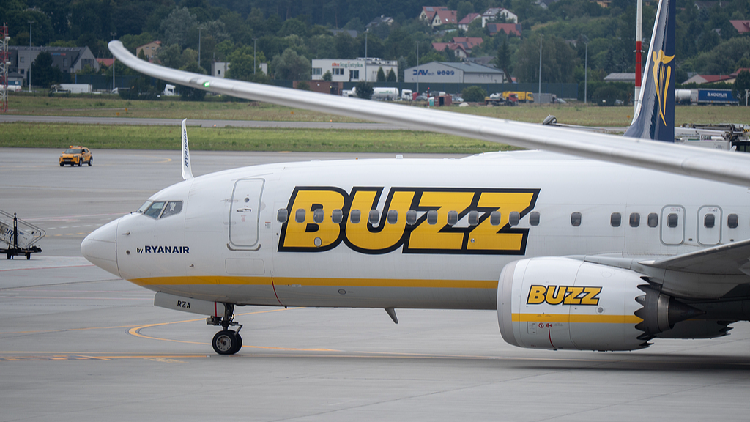
FAA Urges Inspections of Boeing 737 MAX Jets Amid Safety Concerns
Boeing 737 MAX inspections — The Federal Aviation Administration (FAA) has issued a significant announcement regarding the safety of Boeing 737 MAX jets, indicating that urgent inspections may be needed for hundreds of these aircraft registered in the United States. On July 24, 2026, the FAA proposed an airworthiness directive that could impact as many as 453 jets, raising serious safety concerns for both airlines and passengers.
This directive stems from worries about improperly installed passenger seat assemblies, which could pose substantial risks in emergency situations. If these seats were to become disengaged during severe turbulence or an emergency landing, it could lead to injuries among passengers and crew or obstruct evacuation routes. Such risks are particularly concerning given the Boeing 737 MAX’s troubled history, including two catastrophic crashes in 2018 and 2019 that resulted in a worldwide grounding of the fleet. The scrutiny on the aircraft has remained high as Boeing attempts to regain trust and ensure passenger safety.
The impetus for the FAA’s proposed directive can be traced back to a troubling incident in early 2026. During a flight, a door plug panel detached from an Alaska Air 737 MAX, prompting a thorough investigation into Boeing’s production quality. Following this incident, the FAA received reports indicating that some passenger seat assemblies may not have been installed correctly in their tracks. This misinstallation raises concerns about the potential for disengagement under stress, a scenario that could be catastrophic during critical flight phases. Each Boeing 737 MAX can accommodate up to 69 track-mounted passenger seat assemblies, and the FAA estimates that rectifying the issue would require approximately one hour of labor per assembly, without the need for additional parts.
While the FAA’s jurisdiction is limited to US-registered aircraft, it is common for foreign aviation regulators to adopt similar safety measures. As a result, the implications of this proposed directive could extend well beyond US borders, potentially affecting international airlines operating the 737 MAX. Boeing has publicly acknowledged the FAA’s directive, noting that it had previously issued guidance on this issue to operators in December 2025. A spokesperson for the company expressed support for the FAA’s decision to mandate these inspections, emphasizing the importance of ensuring the highest safety standards in aviation.
The aviation industry is closely monitoring developments related to this situation, particularly as Boeing strives to enhance its production processes under the leadership of CEO Kelly Ortberg. The company has faced ongoing challenges in restoring consumer confidence in the 737 MAX, which has been marred by a series of safety and quality issues since its reintroduction to commercial flight. The proposed inspections highlight the critical need for rigorous oversight and quality assurance in the manufacturing and maintenance of aircraft, especially those with a complicated operational history.
As airlines prepare to respond to the FAA’s directive, the timeline for implementing these inspections remains unclear. However, the urgency of the situation cannot be understated. Ensuring the safety and reliability of the Boeing 737 MAX is not only vital for the airlines operating these jets but also for the passengers who depend on them for air travel. The aviation community continues to advocate for stringent safety measures to prevent potential risks and enhance overall confidence in air travel.