Haiti’s Path to Elections Amidst Ongoing Crisis
Haiti presidential elections 2026 — Haiti is on track to hold its long-anticipated presidential and legislative elections on December 13, 2026, as announced by the Provisional Electoral Council (CEP). This marks a significant electoral milestone for the Caribbean nation, which has been grappling with political instability, violence, and a governance vacuum since the assassination of President Jovenel Moise in July 2026. The upcoming elections will be the first of their kind since 2016, a period that has seen the country descend into turmoil.
The CEP’s announcement was shared through a press release on the social media platform X, outlining the voting process which will occur in two rounds. The second round is set for February 21, 2027, coinciding with local and regional council elections. However, the successful implementation of these elections is contingent upon creating a secure environment for voters and ensuring the availability of financial resources necessary for the electoral process.
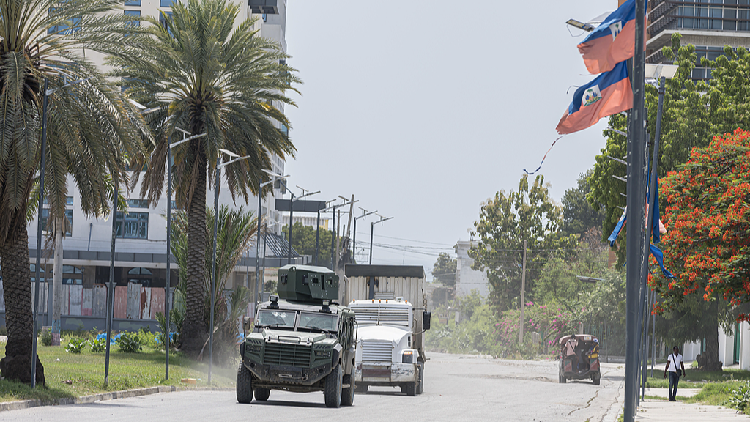
Since Moise’s assassination, Haiti has been without an elected president, leading to a deepening political crisis. The absence of a stable government has allowed gangs to gain significant control, reportedly dominating around 90% of Port-au-Prince, the capital. This rampant gang violence has severely impacted daily life for residents, making ordinary activities dangerous and complicating efforts to restore democratic governance. The pervasive insecurity is a stark reminder of the challenges that lie ahead as the nation prepares for elections.
In the wake of Moise’s death, the political landscape has been characterized by instability and social unrest, with various factions vying for power and influence. The lack of comprehensive national elections since Moise’s victory in 2016 underscores the urgency for a credible electoral process that could potentially restore public trust in governmental institutions. Many citizens view the upcoming elections as a critical juncture for the nation and a chance to break free from the cycle of violence and political disarray.
International observers are closely monitoring the developments in Haiti, recognizing the elections as a pivotal step towards re-establishing democratic governance. The CEP’s commitment to conducting the elections indicates a willingness to confront the complex challenges facing the nation, including the pressing issues of security and the need for international financial assistance. The international community has expressed support for Haiti’s electoral process, emphasizing the importance of establishing a stable and secure environment for both voters and electoral officials.
As the election date approaches, the CEP faces significant pressure to ensure that the electoral process is transparent, fair, and capable of garnering public confidence. The success of the elections will not only determine the future political leadership of Haiti but could also signal a turning point in the country’s ongoing struggle for stability and governance. The outcome of the elections may influence international aid and support for Haiti, as a successful electoral process could pave the way for a more engaged and supportive international community.
In summary, the upcoming presidential and legislative elections in Haiti represent a crucial opportunity for the nation to address its longstanding political and social challenges. With the elections set for December 13, 2026, and the second round on February 21, 2027, the eyes of both Haitians and the international community will be focused on the unfolding events, hopeful for a restoration of democratic order and a brighter future for the beleaguered nation.