China Responds Firmly to US Sanctions on Research Institutions
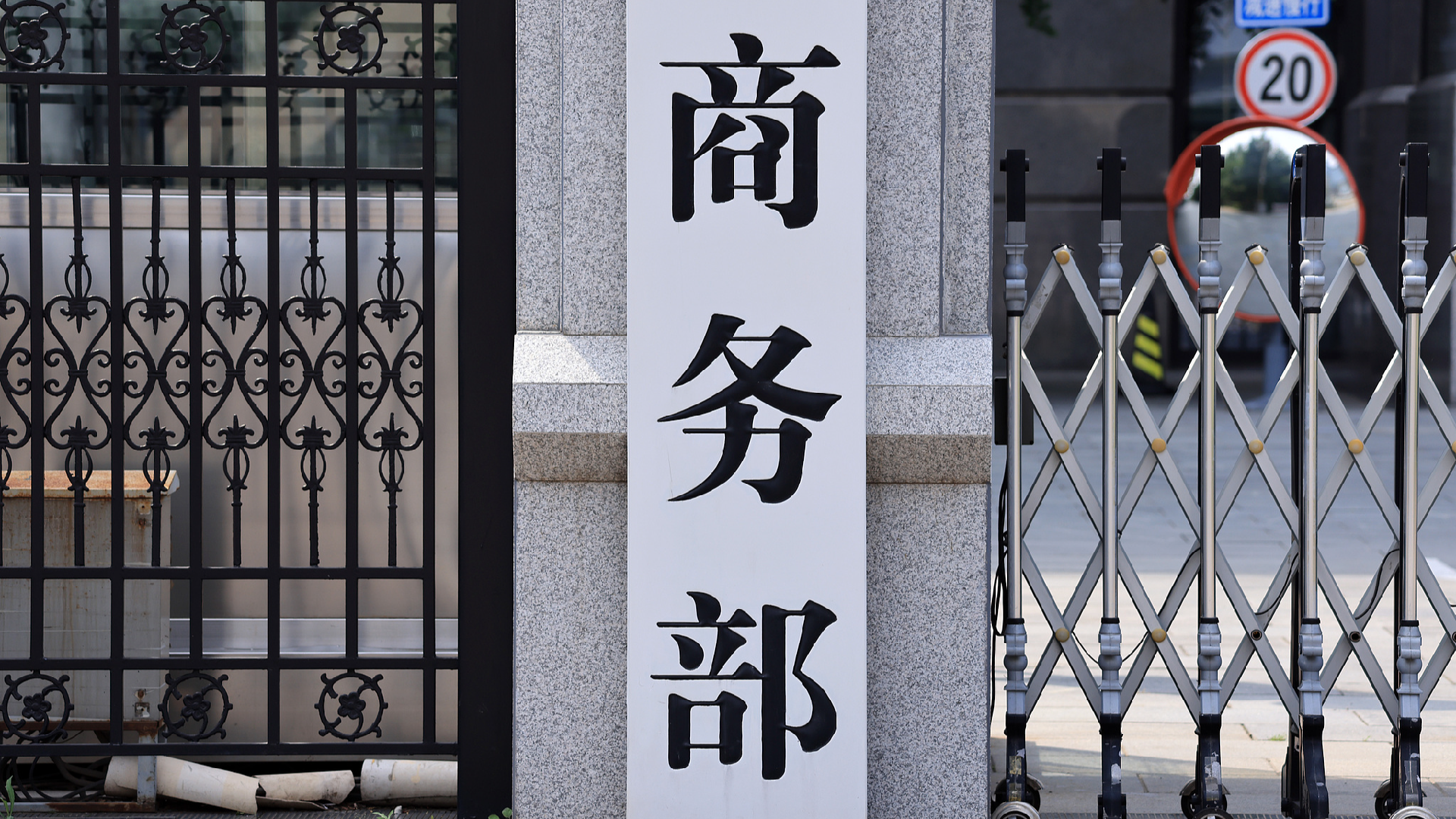
US sanctions Chinese research institutions — In a strong rebuttal to recent sanctions imposed by the United States, China has expressed deep dissatisfaction regarding actions taken against several of its prominent research institutions. The sanctions, announced by the US Department of Defense, were justified by American officials as necessary measures to protect national security interests. However, the Chinese Ministry of Commerce has characterized these actions as detrimental to the collaborative spirit that has historically existed between the two nations in the realm of scientific inquiry.
On July 29, 2026, a spokesperson for the Ministry articulated China’s position, asserting that the US has politicized scientific research and effectively weaponized it against Chinese institutions. This perspective reflects a broader sentiment in China that views such sanctions as an encroachment on academic freedom and a serious obstacle to bilateral exchanges. The spokesperson highlighted that these sanctions not only hinder cooperation but also threaten progress in fields essential for technological advancement, which could have far-reaching implications not just for bilateral relations but for global scientific efforts as well.
China’s response underscores a commitment to safeguarding the rights and interests of its research bodies. The Ministry of Commerce indicated that the country would take necessary measures to ensure a conducive environment for normal scientific exchanges, aiming to continue collaboration despite what they perceive as external pressures from the US. This commitment to maintaining scientific dialogue is particularly relevant in the context of the rapidly evolving technological landscape, where international cooperation is often key to breakthroughs in various fields, including artificial intelligence, biotechnology, and climate science.
This latest escalation in US-China relations occurs against a backdrop of increasing geopolitical tensions, especially concerning technology and security. The sanctions are rooted in longstanding American concerns over intellectual property theft and potential national security risks associated with Chinese technology firms and research entities. Such anxieties have been amplified by broader narratives in Washington regarding China’s ambitions on the global stage, which are often viewed through a lens of competition rather than collaboration.
The implications of these sanctions extend beyond the immediate bilateral relationship. As tensions rise, researchers and institutions around the world may find themselves grappling with a more complex landscape where geopolitical considerations increasingly dictate scientific partnerships. The US sanctions could lead to a fragmentation of scientific collaboration, as institutions may be forced to navigate the risks of working with Chinese researchers or risk facing similar sanctions themselves.
As the situation evolves, the global scientific community watches closely. The potential for a divided research environment raises concerns about the future of international collaboration, which has historically been a cornerstone of scientific progress. The ability of researchers to share knowledge and resources across borders is vital, particularly in addressing global challenges such as pandemics, climate change, and technological innovation.
In light of these developments, the ongoing dialogue between the US and China will need to address not only the immediate concerns of national security but also the long-term health of scientific collaboration. The challenge lies in finding a balance that protects national interests while fostering an environment conducive to innovation and discovery. As both nations navigate this complex terrain, the stakes for future cooperation in science and technology remain high.