Kyiv Suffers Deadly Missile Strike as Russian Attacks Escalate
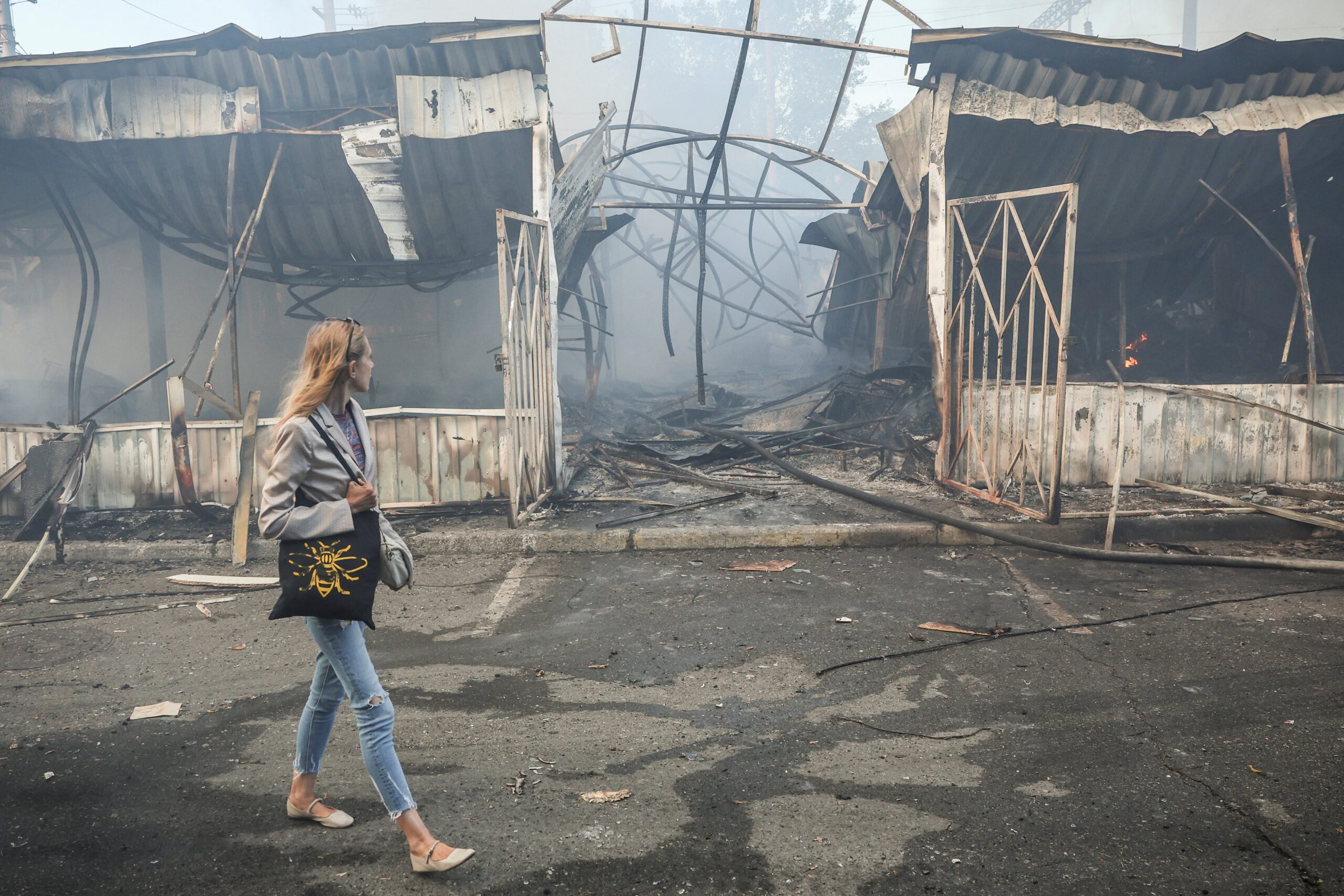
Russian attack on Kyiv — On August 1, 2026, Kyiv, the capital of Ukraine, was the target of a devastating missile strike attributed to Russian forces, resulting in at least nine fatalities and injuring 28 others, as confirmed by the city’s mayor. This incident marks a significant escalation in the ongoing conflict, occurring just two days after a massive aerial assault by Russia that unleashed over 70 missiles and 280 drones against various Ukrainian cities, according to President Volodymyr Zelensky.
Eyewitnesses reported hearing more than a dozen explosions echo through the streets of Kyiv, illustrating the seriousness of the attack. The intensity and frequency of Russian strikes on the capital have raised alarm among residents and officials alike, highlighting a troubling trend in the conflict. Ukraine has been grappling with a chronic shortage of effective air defense systems, which are crucial for intercepting ballistic missiles that travel at supersonic speeds. This vulnerability has left the civilian population increasingly exposed to the dangers of aerial assaults.
The latest missile strike follows a significant bombing campaign launched by Russia on July 30, 2026, which resulted in the deaths of eight individuals, including six members of the same family, and injured at least 12 others. This earlier wave of attacks targeted multiple urban centers, including Kyiv and Lviv, as well as regions such as Ivano-Frankivsk, Zhytomyr, Rivne, and Dnipropetrovsk, in addition to the strategic port of Yuzhny. The coordinated nature of these assaults suggests a deliberate strategy by Russian forces to inflict maximum damage across the country.
President Zelensky condemned the recent assaults, characterizing the scale of the missile and drone strikes as a clear demonstration of the ongoing threat posed by Russian military capabilities. He underscored the urgent need for enhanced missile defense systems to safeguard Ukrainian civilians from what he referred to as “Russian terror.” The President’s comments reflect a growing frustration among Ukrainian leaders regarding the international community’s response to the escalating violence. The situation in Ukraine poses broader implications for regional stability in Eastern Europe, where tensions between Russia and NATO member states continue to escalate.
The Russian government has not provided specific reasons for the recent surge in attacks, but military analysts suggest it may be aimed at undermining Ukrainian morale and destabilizing the government. As the conflict drags on, the humanitarian toll continues to rise, with civilians bearing the brunt of military operations. The psychological impact of such attacks on the population cannot be understated, as fear and uncertainty loom large in daily life.
In the aftermath of the latest missile strike, residents of Kyiv are left to navigate the wreckage and uncertainty of their lives amid a relentless conflict. Community leaders and humanitarian organizations are working tirelessly to provide support to those affected, but the challenges are immense. The ongoing violence not only disrupts daily life but also exacerbates the existing humanitarian crisis in Ukraine, where millions have been displaced or are in urgent need of assistance.
As Ukraine continues to respond to these attacks, the international community watches closely. There have been calls for increased military aid, particularly in the form of advanced air defense systems, to help Ukraine defend itself against the persistent threat posed by Russian forces. The situation remains fluid, and the potential for further escalation looms as both sides remain entrenched in their positions.