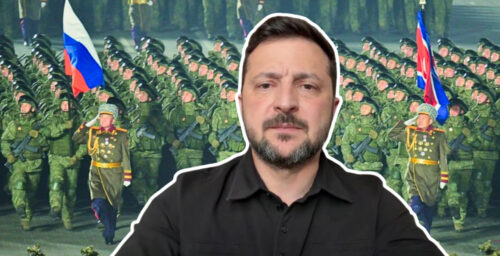
Russia’s Plan to Enlist North Korean Troops for Fall Offensive Raises Strategic Concerns
In a surprising development, Ukrainian President Volodymyr Zelensky announced over the weekend that Russia intends to recruit 30,000 North Korean soldiers for an upcoming offensive in Ukraine this fall. This revelation not only raises concerns about the feasibility of such a deployment but also sheds light on Moscow’s military objectives as well as Kyiv’s strategic responses. As the war has dragged on since February 2026, both sides have faced significant challenges, and this new twist could alter the dynamics of the conflict.
The prospect of North Korean troops entering the conflict adds a new layer of complexity to an already intricate war. North Korea, a nation historically known for its military discipline and experience in asymmetric warfare, could provide Russia with additional manpower as it seeks to bolster its forces amid ongoing battlefield setbacks. However, the logistics of deploying such a large contingent of foreign troops remain uncertain. The geographical distance between North Korea and Ukraine, combined with the likelihood of strong resistance from Ukrainian forces, raises questions about how effectively these soldiers could be integrated into Russian military operations.
For Russia, this recruitment move appears to be part of a broader strategy aimed at sustaining its military efforts in Ukraine, which have faced significant setbacks over the past year. The Kremlin has struggled to maintain momentum in the face of fierce Ukrainian resistance and the impact of international sanctions. By potentially enlisting North Korean troops, Moscow may be attempting to alleviate personnel shortages while enhancing its operational capabilities as it prepares for a renewed offensive. This plan underscores the desperation of Russian military leadership, which has been forced to explore unconventional alliances to support its objectives.
In contrast, Zelensky’s announcement reflects Ukraine’s vigilance and readiness to adapt its military strategy in response to evolving threats. The Ukrainian armed forces have been preparing for various scenarios, including the potential involvement of foreign troops on the Russian side. As the conflict continues, Kyiv’s ability to counteract this new development will be critical to its efforts to regain territory and maintain its sovereignty. Ukrainian military planners will likely intensify their focus on intelligence gathering and operational readiness to address the potential challenges posed by North Korean soldiers.
The involvement of North Korean troops could also have broader implications for international relations. It signals a potential strengthening of ties between Moscow and Pyongyang, as both countries find themselves increasingly isolated from the West. North Korea’s authoritarian regime, which has faced international condemnation for its nuclear ambitions and human rights abuses, may see this partnership as an opportunity to assert its military ambitions more aggressively in the region. Such a collaboration could destabilize security dynamics not only in Eastern Europe but also in East Asia, where North Korea’s actions are closely monitored by neighboring countries and global powers.
As the situation develops, the focus will remain on the implications of this potential deployment for both the Ukrainian front and the geopolitical landscape at large. The involvement of North Korean troops could alter the course of the conflict, emphasizing the need for continued vigilance and strategic planning on the part of Ukraine and its allies. Observers will be keenly watching for any signs of North Korean troop movements, as well as the responses from Western nations that have been supporting Ukraine with military aid and humanitarian assistance. The unfolding scenario serves as a stark reminder of the complexities involved in modern warfare, where alliances and military strategies can shift dramatically, impacting not just the countries directly involved but also global stability as a whole.