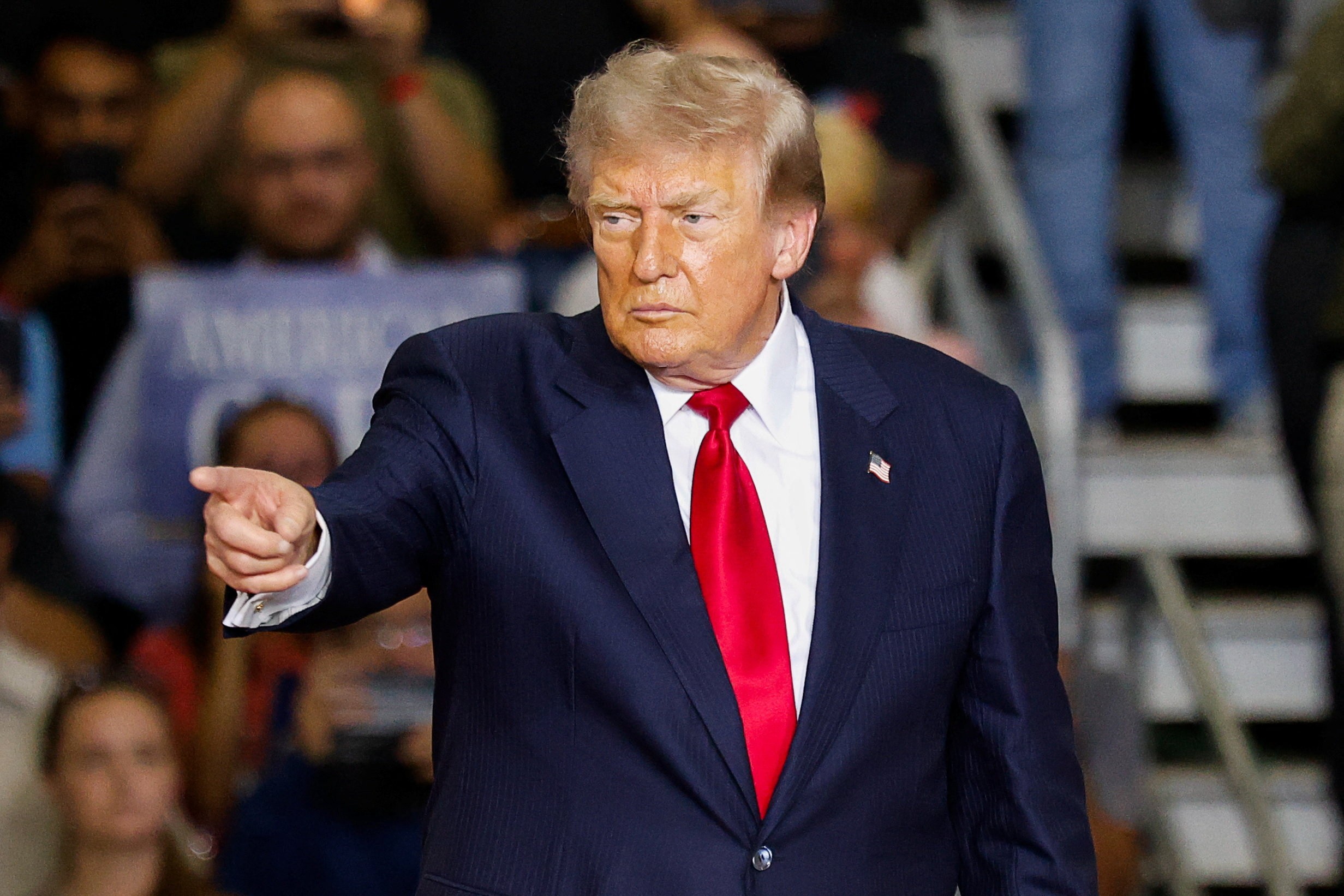
Geopolitical Tensions Shape Netanyahu and Trump’s Meeting
Netanyahu meets Trump — Israeli Prime Minister Benjamin Netanyahu arrived at the White House on July 28, 2026, for a pivotal meeting with U.S. President Donald Trump. The timing of this high-stakes dialogue is particularly significant, occurring shortly after Trump’s closed-door session with Ukrainian President Volodymyr Zelensky. This sequence of meetings underscores the interconnected nature of current geopolitical tensions, particularly in relation to the ongoing conflicts in both the Middle East and Eastern Europe.
The agenda for Netanyahu and Trump is laden with pressing issues, particularly the ongoing conflict in Gaza, which has escalated dramatically since October 2026 when a surprise attack by Hamas prompted a robust military response from Israel. This military operation has drawn international scrutiny and has exacerbated the humanitarian crisis in the region. The two leaders are expected to discuss the ramifications of this conflict, as well as the broader implications of Iran’s actions in the region and its nuclear ambitions, which have become a focal point of U.S. and Israeli foreign policy.
Relations between Washington and Jerusalem have shown signs of strain in recent months, despite the leaders having met six times since Trump returned to office. A significant point of contention lies in the differing military strategies toward Iran. While Trump has advocated for negotiations to curb Tehran’s nuclear program, Netanyahu remains steadfast in his commitment to maintaining military pressure, insisting that Israel’s security must take precedence. This divergence reflects a broader debate within U.S. foreign policy circles about the best approach to stabilize the Middle East.
Netanyahu has faced increasing pressure from the U.S. to reduce Israel’s military footprint in conflict zones, which has become a contentious issue. The Israeli Prime Minister has made it clear that he will not withdraw troops from Gaza until Hamas is fully disarmed, a condition that seems increasingly difficult to achieve given the current hostilities. This stance complicates U.S. efforts to promote a de-escalation strategy in the region, as Washington seeks to balance its support for Israel with the need to address humanitarian concerns in Gaza.
In a move that indicates Israel’s willingness to collaborate on humanitarian issues, the Israeli government recently approved the establishment of an international stabilization force in Gaza. This initiative aims to deploy around 200 personnel from allied nations to secure a humanitarian zone in Rafah, a city in the southern part of the Palestinian territory. However, Israeli officials have emphasized that this does not signify a withdrawal of military forces, which they argue is essential to prevent further attacks from Hamas.
As the meeting progresses, the situation in Gaza remains dire, with negotiations for a ceasefire having yet to yield a definitive agreement. The urgency of the discussions between Netanyahu and Trump is underscored by the escalating humanitarian crisis, as both leaders grapple with the complex realities on the ground. The Israeli military’s operations have not only intensified the conflict but have also drawn criticism from various international actors concerned about civilian casualties and the broader implications for regional stability.
In parallel, President Trump’s meeting with Zelensky emphasizes the U.S. commitment to supporting Ukraine in its ongoing conflict with Russia. Both leaders are reportedly discussing a new ceasefire proposal aimed at bringing an end to hostilities, reflecting the West’s alignment with Ukraine’s efforts to negotiate peace. This dual focus on Ukraine and the Middle East highlights the multifaceted nature of contemporary geopolitical challenges, where decisions in one region can reverberate across the globe.
As Netanyahu and Trump engage in these critical discussions, the outcome may shape not only the future of U.S.-Israel relations but also the broader geopolitical landscape, influencing how conflicts in Gaza and Iran unfold in the coming months. The stakes are high, and both leaders are acutely aware that their decisions will have lasting repercussions for their nations and the international community at large.