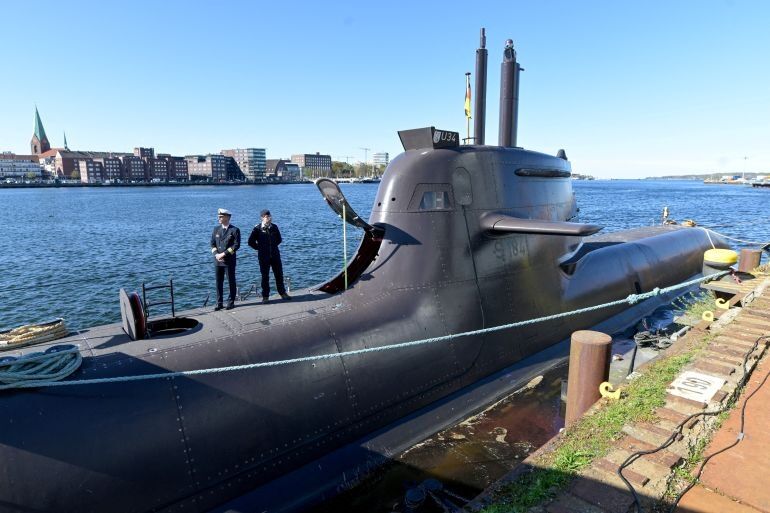
Germany’s Arms Export Surge to Israel Amid Regional Tensions
Germany arms sales to Israel — In a significant move, Germany has authorized nearly 800 million euros in arms export licenses to Israel during the first five months of 2026. This approval marks a noteworthy increase, surpassing the combined total of arms sales to Israel over the previous 20 months, as confirmed by the Berlin government. The decision underscores the deepening military cooperation between the two countries and reflects Germany’s evolving defense policy in a rapidly changing geopolitical landscape.
The surge in military exports comes at a time of heightened tensions in the Middle East, where Israel faces numerous security challenges from militant organizations, particularly in Gaza, and from Hezbollah in Lebanon. Under the leadership of Prime Minister Benjamin Netanyahu, the Israeli government has been actively seeking to enhance its military capabilities to address these ongoing threats. The advanced weaponry included in the German arms package is viewed as essential for Israel to maintain its military superiority and ensure its national security amid a backdrop of persistent conflict.
Germany’s support for Israel is deeply rooted in historical context, stemming from the country’s post-World War II commitment to support the Jewish state, particularly in light of the Holocaust. This historical responsibility has shaped Germany’s foreign policy, leading to a strong alliance with Israel that extends beyond military cooperation. However, the recent decision to ramp up arms sales has ignited debate within Germany and among its European partners. Critics argue that increasing military support could exacerbate tensions in an already volatile region and contribute to a cycle of violence.
The approval of these arms sales also comes as Germany reassesses its military policies in the wake of the ongoing conflict in Ukraine. The war has prompted a reevaluation of European security strategies and has led Germany to consider its role in supporting allies while grappling with its historical obligations. This balancing act presents complex challenges for the German government, as it navigates public opinion and the expectations of its international partners.
As the situation develops, the ramifications of Germany’s arms sales to Israel are likely to extend beyond regional dynamics. Countries such as Iran view Germany’s military support for Israel as a direct threat, which could further complicate already strained relations between Tehran and Berlin. The Iranian government has consistently opposed foreign military aid to Israel, perceiving it as an affront to its own security interests and a catalyst for increased regional instability.
The international community is closely monitoring these developments, as they have the potential to reshape the geopolitical landscape in the Middle East. The implications of Germany’s decision may influence not only its relations with Israel but also its interactions with other key players in the region, including the United States, which has long been a staunch ally of Israel. The Biden administration has expressed support for Israel’s right to defend itself, but it also advocates for measures to ensure stability and peace in the region.
In conclusion, Germany’s greenlighting of substantial arms sales to Israel reflects a complex interplay of historical commitments, evolving defense strategies, and the urgent security needs of the Israeli government. As tensions continue to rise in the Middle East, the impact of these military exports will be scrutinized, raising questions about the future of peace and stability in a region marked by conflict.