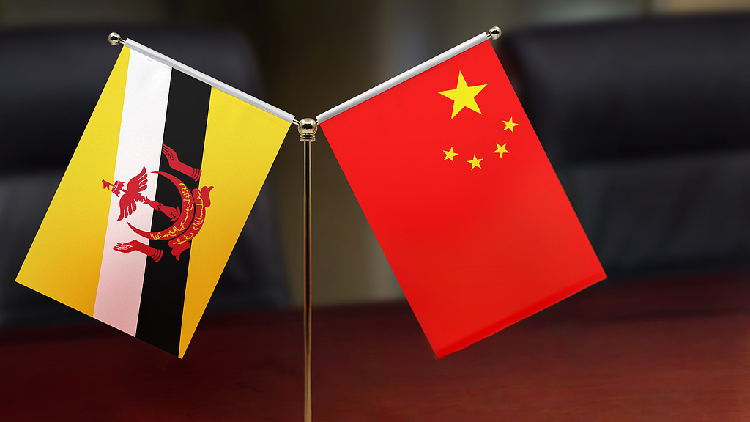
Brunei and China Strengthen Defense Ties Amid Regional Tensions
Brunei China defense cooperation — Brunei’s Sultan Haji Hassanal Bolkiah Mu’izzaddin Waddaulah met with Chinese Defense Minister Dong Jun on July 28, 2026, in a significant discussion aimed at enhancing bilateral defense relations between the two nations. This meeting highlights Brunei’s steadfast commitment to the one-China policy, which is a cornerstone of its foreign relations, and underscores the strategic partnership that has been developing between Brunei and China, particularly in light of ongoing regional security concerns.
During the meeting, Sultan Hassanal expressed his gratitude for China’s ongoing support of the Association of Southeast Asian Nations (ASEAN), emphasizing the importance of ASEAN’s central role in fostering regional stability. He acknowledged the substantial assistance provided by China in helping Brunei achieve its national development goals as outlined in Wawasan 2035, a long-term vision that seeks to diversify the economy and promote social progress. The Sultan articulated that defense collaboration is not merely a facet of the partnership but rather a fundamental pillar that will guide future engagements between the two nations. This sentiment reflects Brunei’s strategic interest in deepening ties with China, which is seen as a vital partner for security and economic growth.
In response, Minister Dong highlighted the significant opportunities for military cooperation that exist between China and Brunei at this juncture. He urged both sides to capitalize on the current positive momentum in their relationship, aiming to elevate cooperation across various dimensions. Dong articulated a vision for a more robust partnership that would yield tangible results, contributing to the establishment of a China-Brunei community with shared goals and mutual benefits. This notion of a community resonates with China’s broader diplomatic strategy in the region, which seeks to foster alliances based on mutual respect and collaboration.
Furthermore, Dong addressed the critical issue of peace in the South China Sea, a vital maritime region that has been the focal point of territorial disputes involving several Southeast Asian nations and China. He recognized that stability in these waters is essential for the interests of all countries involved, particularly given the strategic significance of the South China Sea for international trade routes. In this context, Dong reaffirmed China’s readiness to collaborate with Brunei on maritime security initiatives and other relevant areas, aiming to jointly maintain peace and stability in the region. The emphasis on maritime cooperation is particularly pertinent as tensions persist in the South China Sea, where competing claims have led to increased military presence and diplomatic friction among various stakeholders.
The meeting between Sultan Hassanal and Minister Dong not only reflects the strengthening of defense ties between Brunei and China but also signals a broader trend of increased military collaboration among Southeast Asian nations and China. As Brunei seeks to navigate its position within the complex geopolitical landscape of the region, the partnership with China may provide the Sultanate with enhanced security assurances and economic opportunities. The implications of this relationship extend beyond bilateral cooperation, as it may influence regional dynamics and the approach of other Southeast Asian nations towards China, particularly in the context of balancing relationships with Western powers and addressing shared security concerns.
As both nations look forward to more interactions, including potential visits from the Chinese Navy, the developing partnership is poised to play a critical role in shaping the future of defense relations in Southeast Asia. With the backdrop of ongoing tensions in the South China Sea, the collaboration between Brunei and China may serve as a stabilizing force, promoting peace and facilitating dialogue among nations in the region.