Colombia earthquake death toll — The death toll from the powerful earthquake that struck Colombia on August 10 has climbed to 294, according to the country’s disaster management agency, Unidad Nacional para la Gestión del Riesgo de Desastres (UNGRD). With 320 people still missing and nearly 4,000 injured, the scale of the disaster has overwhelmed local authorities and left tens of thousands homeless.
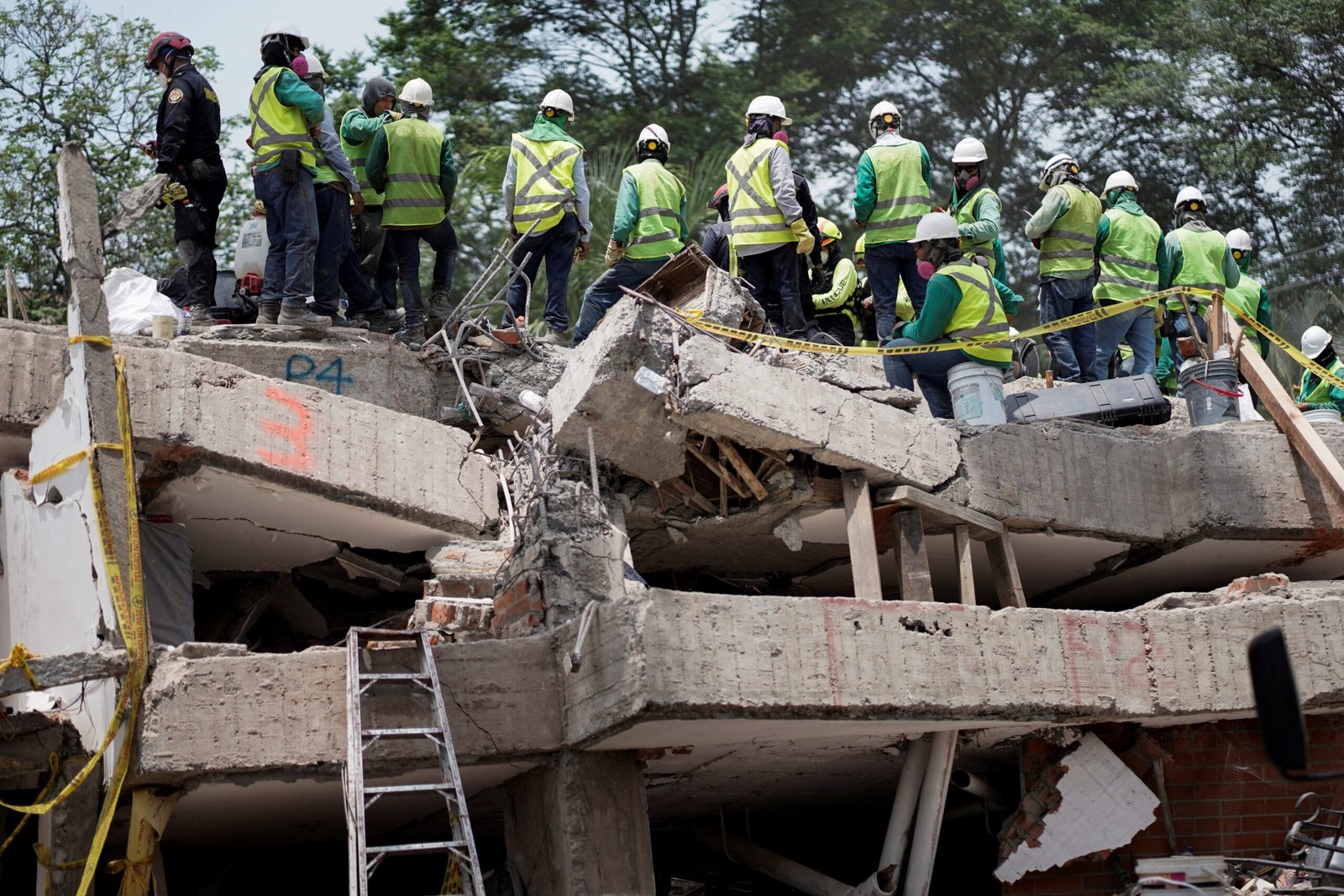
Rescue teams continue to search for survivors amid the ruins, but hopes are fading five days after the magnitude 7.4 quake. In Cali, Colombia’s third-largest city, firefighters are working around the clock at a collapsed residential complex, but as Captain Alberto Hernández told Reuters, only one site still shows signs of life. The rest of the operation has shifted to recovering bodies, with heavy machinery expected to be deployed after Sunday.
Humanitarian Crisis and International Response
The destruction is widespread: 14,493 homes have been destroyed and over 81,000 damaged, leaving thousands in makeshift camps. In Pereira, a major city in Colombia’s coffee region, hundreds are sleeping in parks with little access to blankets, tents, food, or hygiene supplies. Meanwhile, residents in Medellín and Bogotá have mobilized to donate essential items for those affected.
The Colombian government, led by newly inaugurated President Abelardo de la Espriella, has declared a national disaster in 13 states for the next year. De la Espriella’s handling of the crisis has faced criticism, especially for initially declining some international rescue offers. Eventually, teams from Israel and the United States joined the efforts, while Mexico’s offer was reportedly declined.
On Saturday, De la Espriella spoke with US President Donald Trump, requesting a temporary suspension of tariffs on Colombian goods to support the country’s economic recovery. Trump expressed condolences, but the US Department of Commerce has not yet responded to the request. The European Union, led by Ursula von der Leyen, has pledged two million euros to support rescue operations.
The Colombian army is assisting rescue operations in the hardest-hit cities, including Cali, Pereira, and Manizales. The epicenter of the quake was in Chocó, near the Pacific coast, but the impact was felt across western Colombia, damaging homes, schools, hospitals, and churches from Buenaventura to the coffee region.
David Tamayo, head of the national disaster agency, acknowledged that the likelihood of finding survivors is diminishing, but emphasized that search efforts will continue until all missing persons are accounted for.