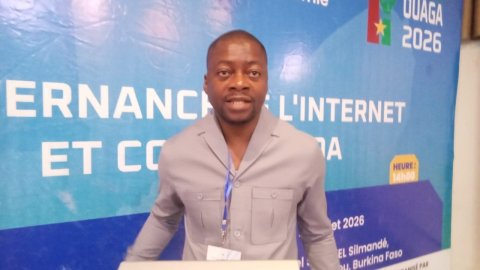
West African digital sovereignty — At the fourth International Salon for Digital Economy Professionals of UEMOA (SIPEN-UEMOA) held in Ouagadougou in July 2026, digital experts from West Africa announced the formation of a new alliance aimed at increasing regional control over internet domain names. The initiative, presented by Wilfried Quenum—who leads IT-NUM and the Internet Governance Forum in Benin—seeks to promote digital sovereignty and strengthen the use of country-specific domain names across the region.
The proposed West African Alliance of Domain Names (AOAN) is designed to unite countries in the region to address shared challenges in managing and developing national domain names, known as country code top-level domains (ccTLDs). According to Quenum, the alliance will help pool technical expertise, promote local domains such as .bf for Burkina Faso or .sn for Senegal, and ensure stronger representation in international internet governance forums.
Digital Identity and Regional Collaboration
Quenum emphasized that local domain names serve as a digital passport, providing clear identification and a sense of ownership for each country online. He compared the importance of national domains to that of a state-issued passport, arguing that just as nationality is crucial for a country’s identity, so too is a distinctive internet presence. The alliance aims to address the low adoption of local domains and the technical and economic barriers that individual countries face when acting alone.
The initiative also responds to concerns about the reliability and quality of local domains. Quenum argued that, much like traditional local cuisine, national domains should be valued for their unique identity, even as efforts continue to improve their technical standards. He stressed that the goal is not to replace global standards but to ensure that local digital identities are recognized and strengthened.
Beyond technical issues, the alliance intends to shape internet governance in West Africa, making the online environment safer and more trustworthy, especially for young people. Quenum called for broader participation in defining how the internet is managed, noting that countries can and should influence the rules and standards that govern their digital spaces. He cited growing concerns over social media platforms like TikTok, suggesting that regional collaboration could help regulate content and protect cultural values.
This move toward digital sovereignty in West Africa mirrors similar debates in other regions, including the Balkans, where questions of national identity and control over digital infrastructure are increasingly seen as strategic priorities.