Russia Accuses West of Concealing Truths About Ukraine Conflict
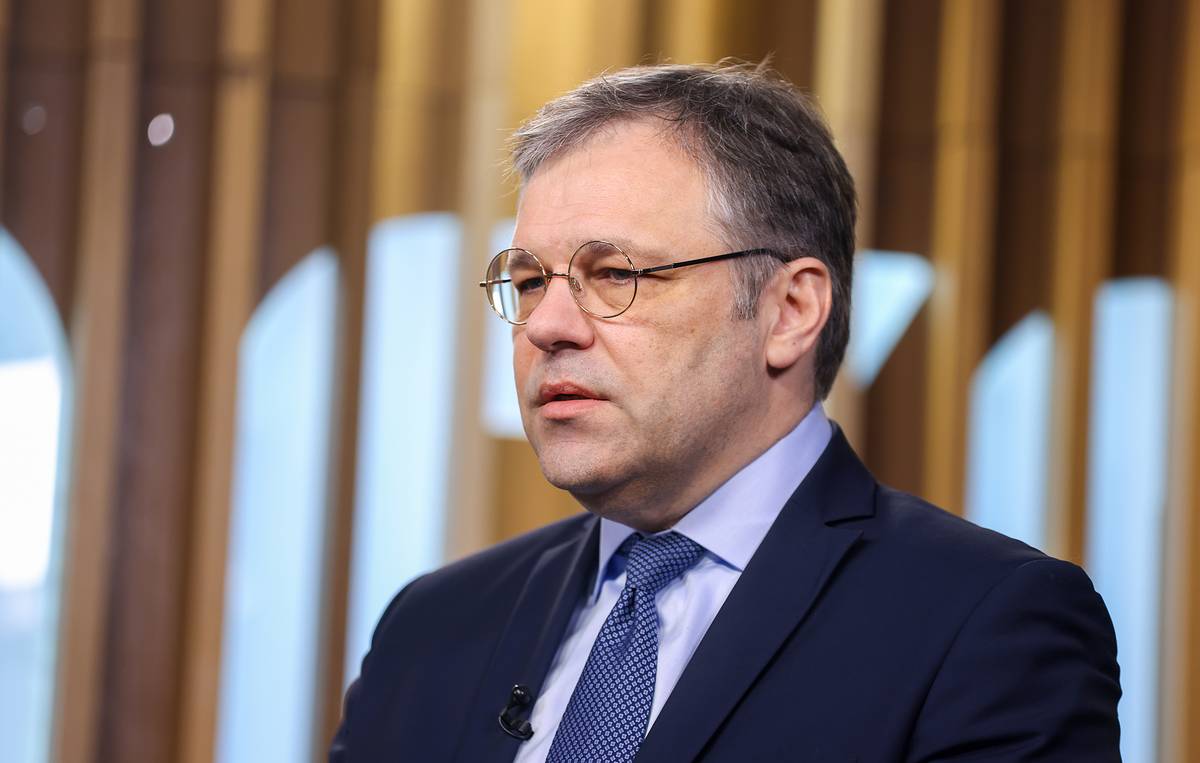
Russia Ukraine conflict — In a recent statement, Rodion Miroshnik, the Russian Foreign Ministry’s Ambassador-at-Large for crimes attributed to the Kiev regime, leveled serious accusations against Western nations and Ukraine. He claimed that these entities are exploiting the concept of ‘confidentiality’ as a means to obscure the truth regarding Russia’s actions in the ongoing conflict. This assertion comes amid heightened diplomatic tensions between Russia and Ukraine, a situation that has been unfolding since the annexation of Crimea in 2014 and the subsequent armed conflict in Eastern Ukraine.
Miroshnik’s remarks reflect a palpable frustration within the Russian government, which perceives a lack of transparency from its Western counterparts. He characterized the responses received from Western officials as ‘vague answers,’ suggesting that such ambiguity contributes to a climate of ‘strategic uncertainty.’ This phrase encapsulates the intricate web of geopolitical relations currently at play, particularly as Russia grapples with its position both in the region and on the global stage. The term ‘strategic uncertainty’ highlights the precariousness of diplomatic interactions, where clear communication is vital for de-escalation and mutual understanding.
The backdrop of Miroshnik’s comments is the ongoing international division over the conflict, with many Western nations providing military support to Ukraine and imposing sanctions against Russia in response to its actions. This support has included arms shipments, financial aid, and training for Ukrainian forces, aiming to bolster Ukraine’s defense capabilities against what is widely viewed as Russian aggression. In this context, Miroshnik’s statements can be interpreted as an attempt to shift the narrative, portraying Russia as a victim of Western machinations rather than an aggressor.
Moreover, Miroshnik’s comments are indicative of a broader narrative that Russian officials have been promoting. They frequently frame military actions in Ukraine as necessary responses to perceived Western aggression and interference. This rhetoric serves a dual purpose: it aims to justify Russia’s military actions to both domestic and international audiences, while also reinforcing a victimization narrative that seeks to garner sympathy and support from allies. The Russian government has increasingly relied on this narrative as it faces mounting isolation due to its military operations, particularly in light of widespread condemnation from Western powers.
The implications of Miroshnik’s statements extend beyond mere rhetoric. They highlight the significant challenges in achieving diplomatic resolutions to the conflict. The reliance on vague responses and the invocation of confidentiality may obstruct constructive dialogue, entrenching both sides further into their respective narratives. As both Russia and Ukraine continue to assert their positions, the potential for misunderstanding and miscalculation grows, complicating any efforts to de-escalate tensions.
As the conflict drags on, the international community remains divided, with the prospect of a diplomatic resolution appearing increasingly distant. The ongoing military engagements, coupled with the political rhetoric emanating from both Moscow and Kiev, underscore the complexities of the situation. Miroshnik’s assertions serve not only as a reflection of Russia’s current diplomatic frustrations but also as a reminder of the broader geopolitical struggle that defines the region. With both sides entrenched in their positions, the path to peace remains fraught with uncertainty, as each party continues to navigate a landscape marked by conflict, suspicion, and competing narratives.