Iran Dismisses Claims of Proposed Talks with US Amid Ongoing Tensions
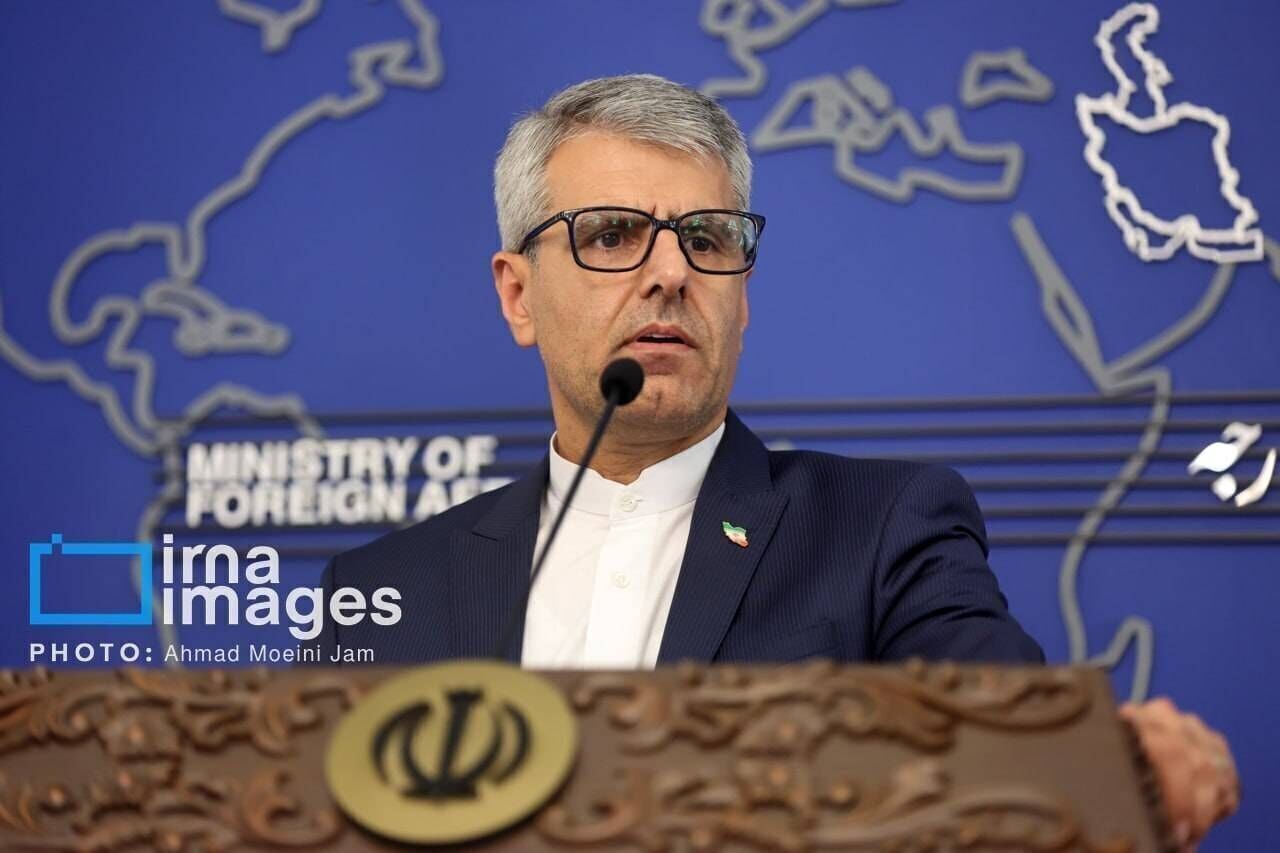
Iran US direct talks — Tehran’s Foreign Ministry has firmly rejected recent media claims suggesting that Iran proposed direct negotiations with the United States. Spokesperson Esmaeil Baqaei described these reports as “fabricated,” emphasizing the Iranian government’s steadfast position in light of the enduring tensions that have characterized relations with Washington.
This denial emerges against a backdrop of heightened geopolitical friction, particularly following the 2018 withdrawal of the Trump administration from the Joint Comprehensive Plan of Action (JCPOA). This pivotal nuclear agreement, initially reached in 2015, aimed to limit Iran’s nuclear capabilities in exchange for relief from economic sanctions. The US exit from the deal led to a cascade of sanctions imposed by both nations, further straining diplomatic relations and exacerbating regional instability.
Baqaei’s remarks appear to be a direct response to reports from certain media outlets that suggested Iran was open to dialogue with the US as a means to address unresolved issues, including nuclear negotiations and broader regional security concerns. Such a shift in stance could have indicated a significant transformation in Iran’s foreign policy, which has historically been marked by resistance to direct engagement with the US, particularly under the current hardline administration led by President Ebrahim Raisi.
In his statement, Baqaei reiterated that Iran would not consider negotiations while under the shadow of sanctions, underscoring the country’s commitment to its sovereignty and regional influence. This stance is reflective of a broader sentiment within Iran, where many view negotiations with the US as a potential compromise of national interests. The Iranian leadership has consistently framed its resistance to US pressures as a matter of pride and dignity, particularly in the context of the historical grievances stemming from foreign intervention in the region.
The implications of Baqaei’s denial extend beyond bilateral relations, as they highlight the intricate web of alliances and enmities that define the Middle Eastern geopolitical landscape. Iran’s refusal to engage in talks without the removal of sanctions complicates any potential diplomatic overtures, not only with the US but also with European nations that have sought to mediate between the two adversaries. The European Union has expressed ongoing interest in reviving the JCPOA, but the lack of progress has left many questioning the viability of future negotiations.
As the situation evolves, various stakeholders—including European nations and regional powers such as Saudi Arabia and Israel—are closely monitoring developments. The prospect of renewed dialogue seems increasingly uncertain, as both Iran and the US maintain entrenched positions that hinder constructive engagement. Analysts suggest that without a significant shift in either party’s approach, the likelihood of meaningful negotiations remains low.
In the meantime, Iran continues to assert its regional influence, particularly through its support of proxy groups in neighboring countries, which the US and its allies view as a destabilizing factor. The interplay of military presence and diplomatic maneuvering in the region underscores the complexities that both nations face as they navigate their contentious relationship.
Ultimately, Baqaei’s dismissal of the media claims serves as a reminder of the challenges inherent in achieving a diplomatic resolution. With both nations entrenched in their respective positions, the path to dialogue remains fraught with obstacles, leaving the future of US-Iran relations uncertain.