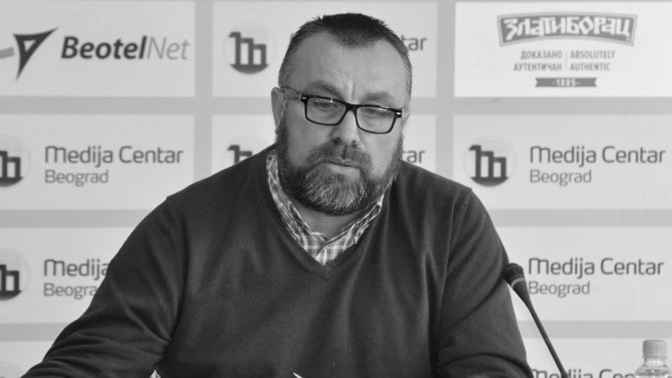
Stefan Cvjetković’s Death Raises Concerns Over Prison Conditions
Stefan Cvjetković, a 56-year-old journalist from Bela Crkva, tragically passed away while serving a prison sentence at the Military Medical Academy (VMA) in Belgrade on July 26, 2026. His death follows a troubling period of hospitalization that began on June 24, when he was transferred from the Special Prison Hospital in the capital, where he had been receiving medical treatment.
The Serbian Administration for the Execution of Criminal Sanctions confirmed Cvjetković’s death, yet the circumstances surrounding the cause of his passing remain unclear. Cvjetković had been serving time related to unspecified charges, a situation that has sparked ongoing concerns about the treatment and rights of inmates within Serbian prisons. The lack of transparency regarding his charges and the conditions of his imprisonment has raised alarms among human rights advocates, who have long criticized the treatment of prisoners in Serbia.
Prior to his hospitalization, Cvjetković reportedly dealt with various health issues that necessitated his transfer to the VMA, a facility primarily known for providing medical care to military personnel as well as inmates. This transition underscores the challenges faced by those incarcerated in the Serbian penal system, where access to adequate healthcare has been a persistent issue. Human rights organizations have documented numerous instances of neglect and inadequate medical attention within prisons, emphasizing the urgent need for reform.
As a journalist, Cvjetković was recognized for his contributions to local media, and his untimely death has ignited discussions about the precarious state of press freedom in Serbia. The country has witnessed increasing scrutiny over its treatment of journalists, particularly those who challenge the status quo or report on sensitive political issues. Cvjetković’s case highlights the broader implications for media professionals operating in an environment that often poses risks to their safety and well-being.
In recent years, Serbia has faced criticism from various international bodies for its handling of press freedom and the treatment of dissenters. Journalists have reported threats, harassment, and violence, creating an atmosphere of fear that can stifle independent reporting. The circumstances of Cvjetković’s imprisonment and subsequent death may amplify calls for accountability and reform, as advocates push for better protections for journalists and improvements to the penal system.
The reaction to Cvjetković’s death has been swift, with various media outlets and human rights organizations expressing their condolences and calling for a thorough investigation into the circumstances leading to his passing. Many are urging authorities to ensure that the rights of all inmates, particularly those who are journalists or political dissidents, are upheld. This tragic incident serves as a stark reminder of the vulnerabilities faced by individuals within the penal system and the urgent need for systemic change to ensure their safety and dignity.
As discussions continue surrounding Cvjetković’s death, it is clear that his story resonates beyond the confines of the prison walls. It has reignited conversations about the treatment of journalists in Serbia and the need for a more transparent and humane approach to incarceration. The implications of his passing may extend to broader societal reflections on the importance of safeguarding press freedom and protecting those who dare to speak out against injustice.