US Naval Operations Maintain Pressure on Iran Amid Diplomatic Uncertainty
The United States has firmly reaffirmed its naval blockade against Iran, as confirmed by the Central Command (CENTCOM) on July 25, 2026. This announcement comes during a notable period of military pause, following nearly two weeks of escalating hostilities between the two nations that have raised concerns about regional stability in the Middle East.
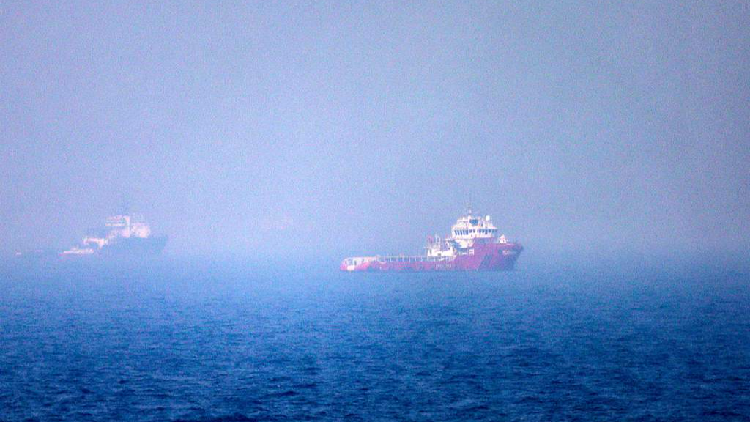
As part of the ongoing blockade, US forces have actively engaged with multiple commercial vessels attempting to breach the restrictions. CENTCOM reported that 12 vessels were redirected to ensure compliance with the blockade. In a more severe response, two vessels were disabled for non-compliance, while two others were boarded to verify adherence to the regulations. Among the vessels involved, the Comoros-flagged oil tanker M/T Charminar was permitted to continue its journey after a successful compliance check, while the Mozambique-flagged M/T Lavine was disabled in the Gulf of Oman after its crew ignored repeated warnings from US forces.
The situation in the Middle East remains fraught with tension, despite indications of a temporary military pause from the United States. President Donald Trump ordered a suspension of air strikes against Iran on July 25, a decision influenced by emerging signs that Tehran might be open to resuming diplomatic negotiations. However, Trump has made it clear that military operations could swiftly resume if these diplomatic efforts do not yield results, underscoring the fragile nature of the current pause.
In recent weeks, the escalation of tensions saw US forces targeting Iranian military sites, which prompted Iran to retaliate with missile and drone strikes against American assets and interests in the region. Although the White House has refrained from officially labeling this pause a ceasefire, it has communicated a readiness to respond militarily if necessary. This precarious balance between military readiness and diplomatic overtures reflects the complex dynamics of US-Iran relations, characterized by a history of mistrust and confrontation.
As the US maintains its naval blockade, the geopolitical landscape in the region remains precarious. Observers are closely monitoring whether this temporary halt in hostilities can pave the way for broader diplomatic discussions. President Trump has expressed confidence that Iran is interested in negotiations, yet he insists that Tehran must make significant concessions, a position that has been met with skepticism by Iranian leaders. They have consistently rejected what they perceive as US coercion, leading to ongoing debates within Iran about whether to pursue dialogue or continue a confrontational approach.
The naval blockade, which is intended to limit Iran’s access to international shipping and economic resources, is part of a broader strategy to exert pressure on the Iranian government. The Strait of Hormuz, a critical maritime chokepoint through which a significant portion of the world’s oil supply passes, has become a focal point of these tensions. The presence of US naval forces in this strategic area serves as a deterrent against potential Iranian aggression, while simultaneously complicating the prospects for diplomatic resolution.
As this situation unfolds, the potential for renewed conflict looms large. The international community watches closely, aware that any miscalculation could lead to an escalation of hostilities with far-reaching consequences not only for the US and Iran but for the entire region. The interplay between military actions and diplomatic negotiations will likely define the coming weeks, as both sides navigate a path fraught with risks and uncertainties.