Zelensky Envisions Possible Resolution Amid Ongoing Conflict
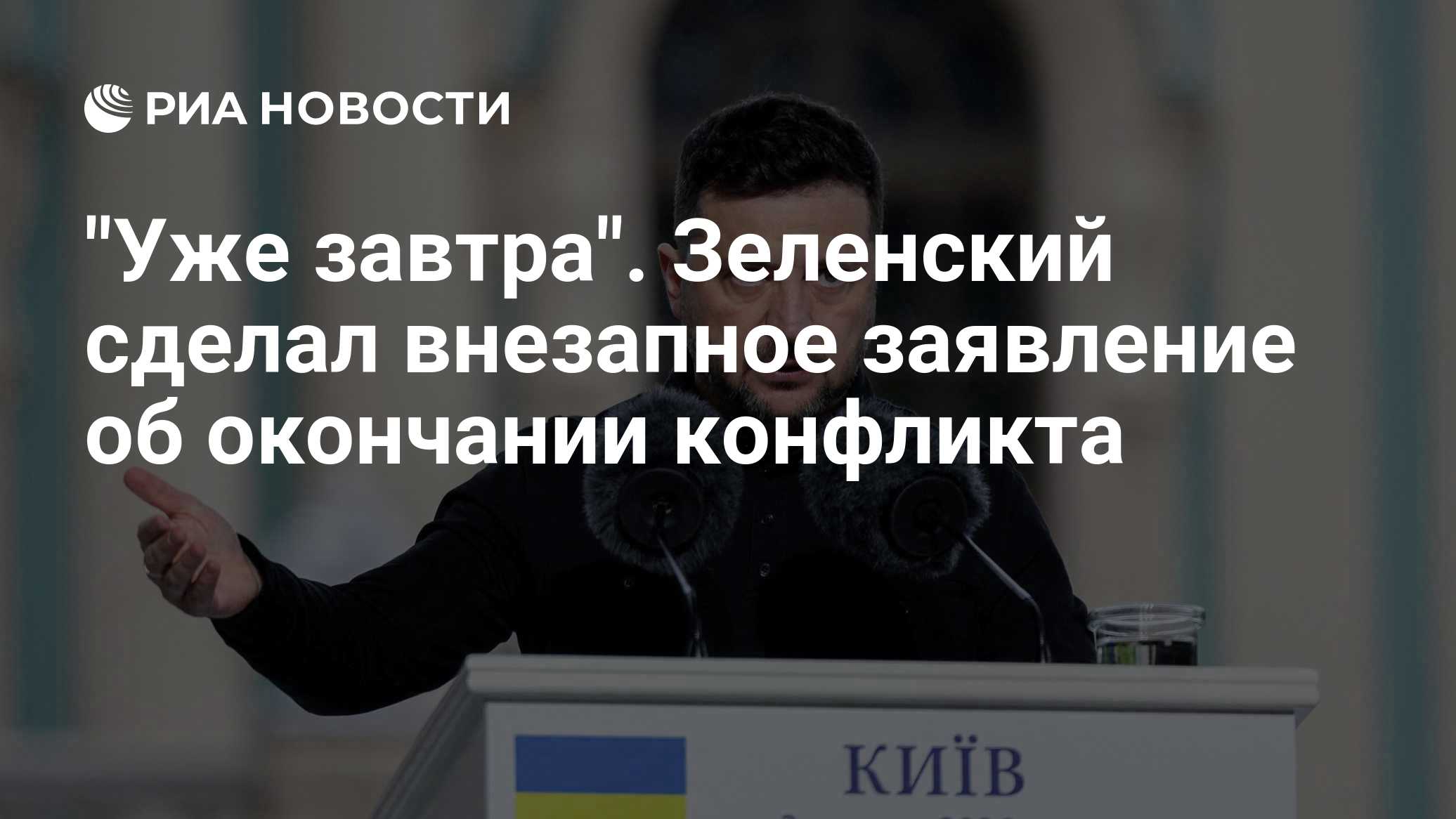
Ukrainian President Volodymyr Zelensky has stirred considerable attention with his recent announcement hinting at a potential resolution to the enduring conflict with Russia. During a press conference held in Kyiv on July 24, 2026, Zelensky revealed that discussions are currently taking place that may lead to a significant breakthrough in peace negotiations. This statement comes as a surprise to many, given the prolonged and violent nature of the conflict that has persisted since 2014, following Russia’s controversial annexation of Crimea.
The backdrop of Zelensky’s remarks is marked by intense fighting in eastern Ukraine, particularly in regions such as Donetsk and Luhansk, where Russian forces have maintained aggressive military operations. The conflict has resulted in thousands of casualties and has caused widespread devastation, displacing countless civilians and severely impacting infrastructure. Zelensky’s comments, therefore, offer a glimmer of hope, suggesting a possible shift in the entrenched standoff that has dominated the security landscape in Eastern Europe for nearly a decade.
During the press conference, Zelensky refrained from divulging specific details regarding the negotiations or the parties involved, which has led to speculation about the nature of the discussions. However, he did express a cautiously optimistic outlook, emphasizing the importance of reaching an agreement that could stabilize the situation on the ground. This optimism is underscored by the critical role of international support, particularly from Western allies, which has been instrumental in bolstering Ukraine’s defense against Russian aggression. The involvement of NATO and the European Union has been pivotal in providing military aid and economic assistance to Ukraine, highlighting the geopolitical stakes involved in the resolution of this conflict.
Reactions to Zelensky’s announcement have varied significantly across different sectors. Some analysts interpret his statement as a strategic maneuver aimed at boosting morale among the Ukrainian populace, reassuring them of the government’s commitment to pursuing peace despite the ongoing violence. This perspective is particularly relevant in light of the heavy toll the conflict has taken on civilian life and the national psyche. Conversely, there are voices of skepticism regarding the feasibility of a diplomatic resolution, especially given the persistent hostilities and the deeply entrenched positions held by both Ukrainian and Russian forces. The Kremlin, as of now, has not issued an official response to Zelensky’s statements, leaving many observers to ponder how this development might impact the current military dynamics in the region.
As the situation unfolds, the potential for a diplomatic resolution raises significant questions about the future of relations in Eastern Europe. A successful negotiation could not only redefine the course of the conflict but also reshape alliances and security arrangements across the region. This is particularly critical in the context of the Balkans and Eastern Europe, where historical grievances and national identities are often intertwined with contemporary geopolitical aspirations. The international community remains vigilant, closely monitoring whether Zelensky’s optimistic outlook will evolve into tangible progress in the quest for peace.
In the broader context, the implications of a resolution to the Ukraine conflict extend beyond national borders. They could influence energy security in Europe, NATO’s strategic posture, and the balance of power in the post-Soviet space. As the world watches, the hope is that the discussions hinted at by Zelensky will lead to a lasting peace, allowing Ukraine to emerge from the shadows of war and begin the arduous process of rebuilding and reconciliation.