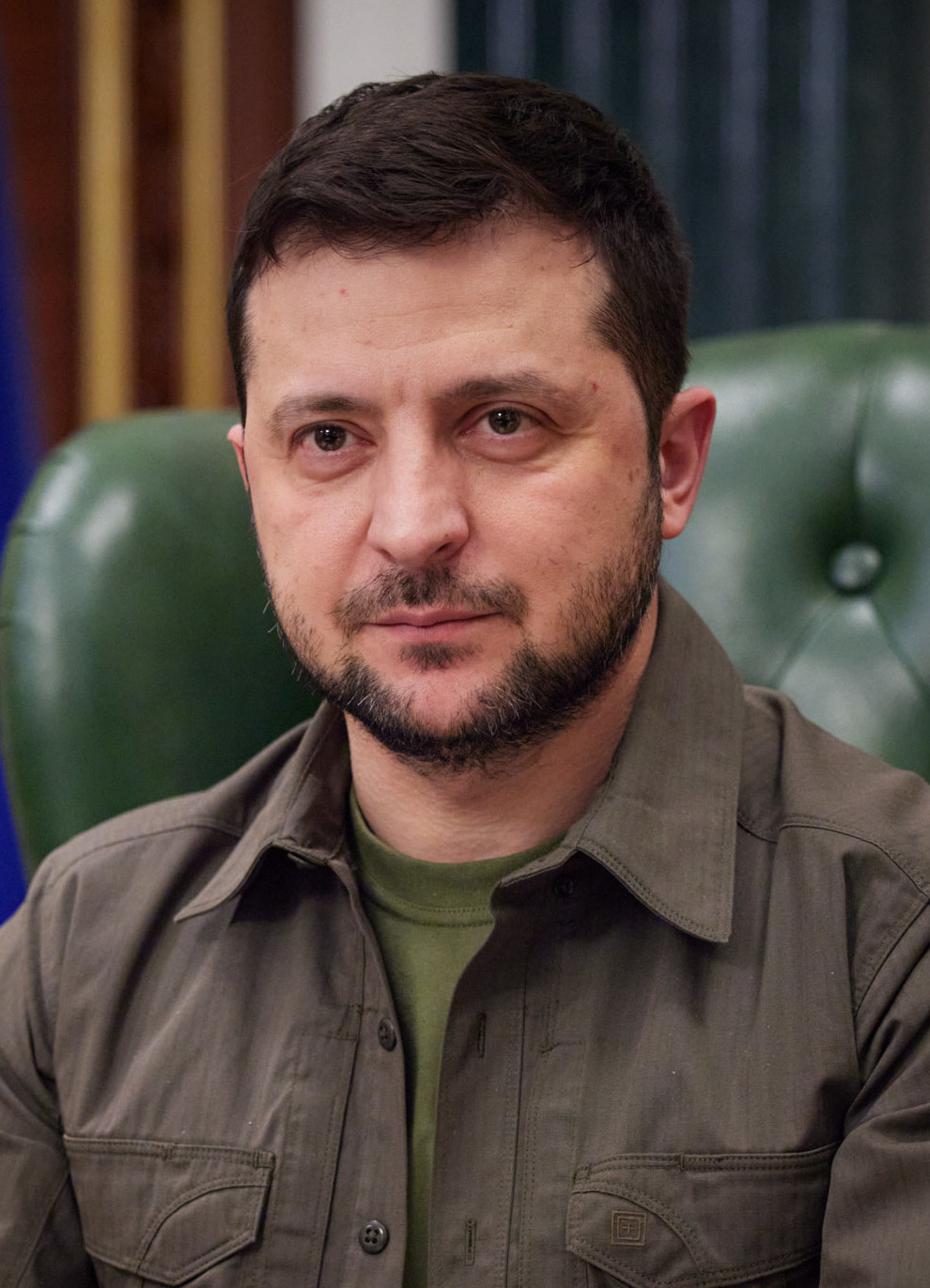
Ukrainian official Volodymyr Zelensky arrived in Belgrade on August 8, 2026, for his first official visit to Serbia since the start of the conflict in Ukraine in 2026. The visit was confirmed by Serbian President Aleksandar Vučić, who stated that discussions would focus on the European integration paths of both countries, as well as bilateral economic and energy cooperation.
Zelensky was welcomed at Belgrade’s Nikola Tesla Airport by Serbia’s energy minister Dubravka Đedović Handanović. According to a statement from Vučić’s office, the meeting will also address the fact that Ukraine has not recognized Kosovo’s independence and has previously excluded representatives from Priština at Southeast Europe-Ukraine summits.
Vučić reiterated that Serbia established its position on sanctions against Russia over four years ago and has not changed it since. He noted that while Zelensky is expected to present his views on sanctions against the Russian Federation, Serbia intends to maintain its current policy for the foreseeable future.
Symbolic Visit Draws Strong Reactions
International media, including AFP, highlighted the symbolic weight of Zelensky’s visit to Serbia, a country often described as one of Moscow’s closest partners in Europe. An unnamed senior Ukrainian official told AFP that the visit was intended as a “slap in the face to Russians,” emphasizing efforts to distance Serbia from Russia.
The visit has sparked protests in Serbia, with some groups objecting to Zelensky’s invitation. Meanwhile, Russian officials have repeatedly questioned the legitimacy of the Ukrainian government, pointing out that Zelensky’s presidential term expired in May 2026. Moscow continues to call for new Ukrainian elections as a prerequisite for any potential peace talks.
Recent reports from Russian diplomats allege an escalation of Ukrainian attacks on Russian civilians, claiming that nearly 950 people have been injured and over 100 killed since July 21, 2026. These claims have not been independently verified.
Zelensky’s previous statements, including his public congratulations to Croatian Prime Minister Andrej Plenković on the anniversary of Operation Storm—a military action that resulted in the mass displacement of Serbs from Croatia—have also fueled controversy in Serbia.