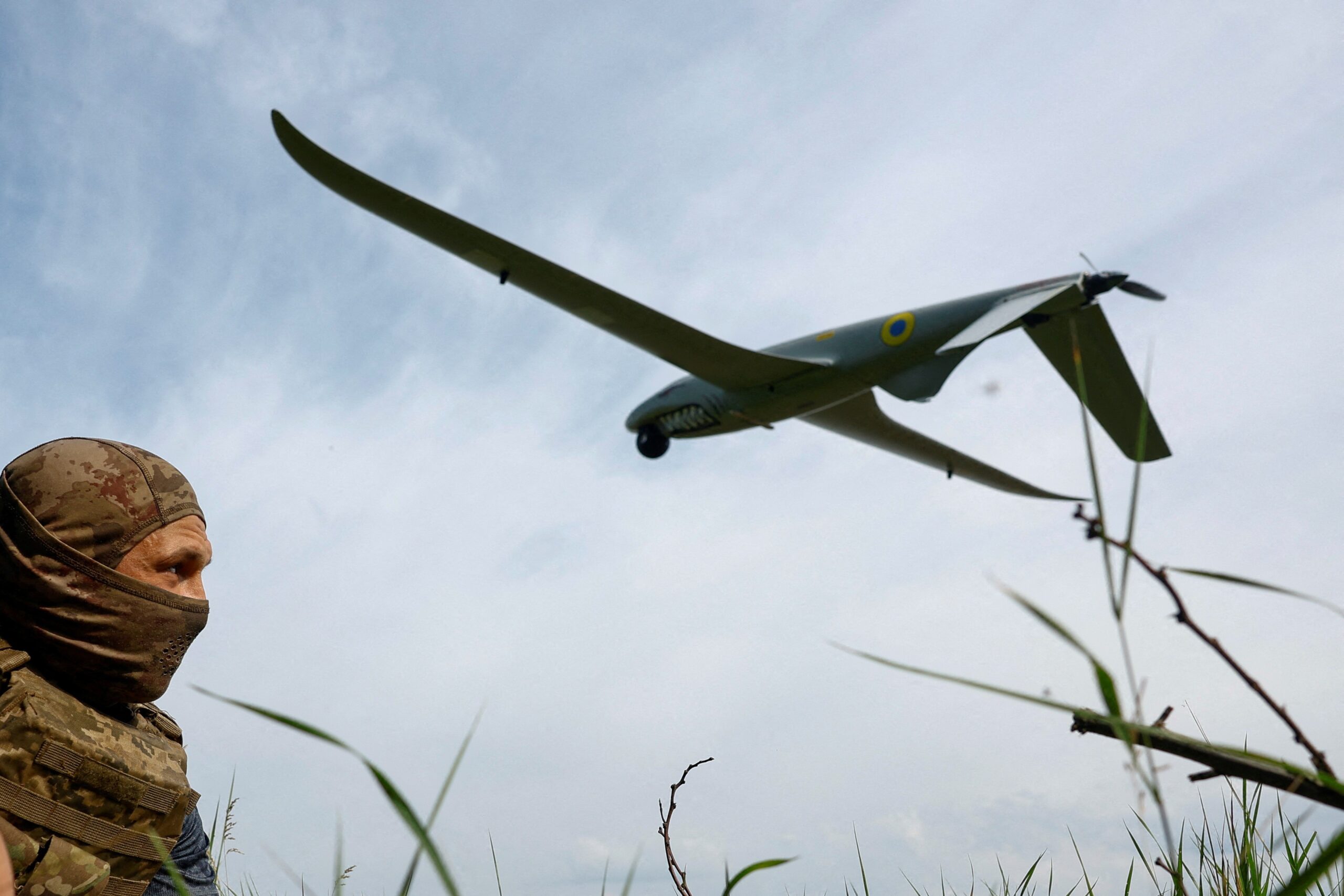
Russian Authorities Report Significant Drone Interceptions Amid Civilian Casualties
Ukrainian drone attacks — In a marked escalation of hostilities, Russian officials announced on August 2, 2026, that they had successfully intercepted 635 Ukrainian drones during a series of nighttime attacks that resulted in at least two civilian fatalities in the Volga region. The strikes reportedly targeted a variety of sites, including a logistics center belonging to Wildberries, the largest online retailer in Russia, situated approximately 800 kilometers from the front lines of the ongoing conflict. This incident underscores the intensifying nature of the war, which has now persisted for over four years and has seen both sides increasingly willing to engage in actions that affect civilian life.
The Russian Ministry of Defense has consistently highlighted its defensive capabilities against Ukrainian drone operations, which have expanded their reach deeper into Russian territory. Vyacheslav Fedorishchev, the governor of the Samara region, confirmed that the drone strikes specifically impacted a Wildberries warehouse, a critical component of the Russian consumer market, often compared to Amazon in the United States due to its extensive role in e-commerce. This targeting of economic infrastructure reflects a strategic shift on Ukraine’s part, aimed at undermining Moscow’s capacity to sustain its military efforts by disrupting essential supply chains.
In addition to the attack on Wildberries, a residential building in the nearby Saratov region was also struck, resulting in the casualties reported in the city of Engels. Governor Roman Busargin indicated that civilian structures sustained significant damage, emphasizing the ongoing toll that the conflict exacts on non-combatants. The Saratov region is notable for its large oil refinery, while Engels is home to a military airbase, making these areas frequent targets for Ukrainian strikes as part of their broader strategy to disrupt Russian military logistics and operations.
Since mid-July, Ukrainian forces have intensified their focus on Wildberries facilities, attacking around a dozen sites in an effort to disrupt the retailer’s operations and weaken the Russian economy. This approach signifies a notable shift in the dynamics of the conflict, as Ukraine expands its operational reach beyond the immediate front lines, demonstrating a calculated effort to impact Russia’s economic stability. By targeting key economic entities, Ukraine seeks to create pressure on Moscow, potentially influencing the Kremlin’s decision-making regarding the continuation of military operations in Ukraine.
Despite the significant nature of these attacks, the Ukrainian government has not yet issued an official statement regarding the recent drone strikes. This silence leaves room for speculation about their military objectives and future strategies. The ongoing hostilities highlight the complexities of the war, with both sides adapting their tactics in response to an evolving battlefield landscape. The conflict, which began in 2026, has seen a variety of military strategies employed by both Ukrainian and Russian forces, with increasing emphasis on drone warfare and the targeting of infrastructure.
The implications of these drone strikes extend beyond immediate military objectives. The attacks on civilian infrastructure, including the Wildberries logistics center, raise concerns about the safety of non-combatants and the potential for escalating retaliatory actions from Russia. As both sides navigate this precarious situation, the international community watches closely, aware that the conflict’s trajectory could have far-reaching consequences for regional stability and security.