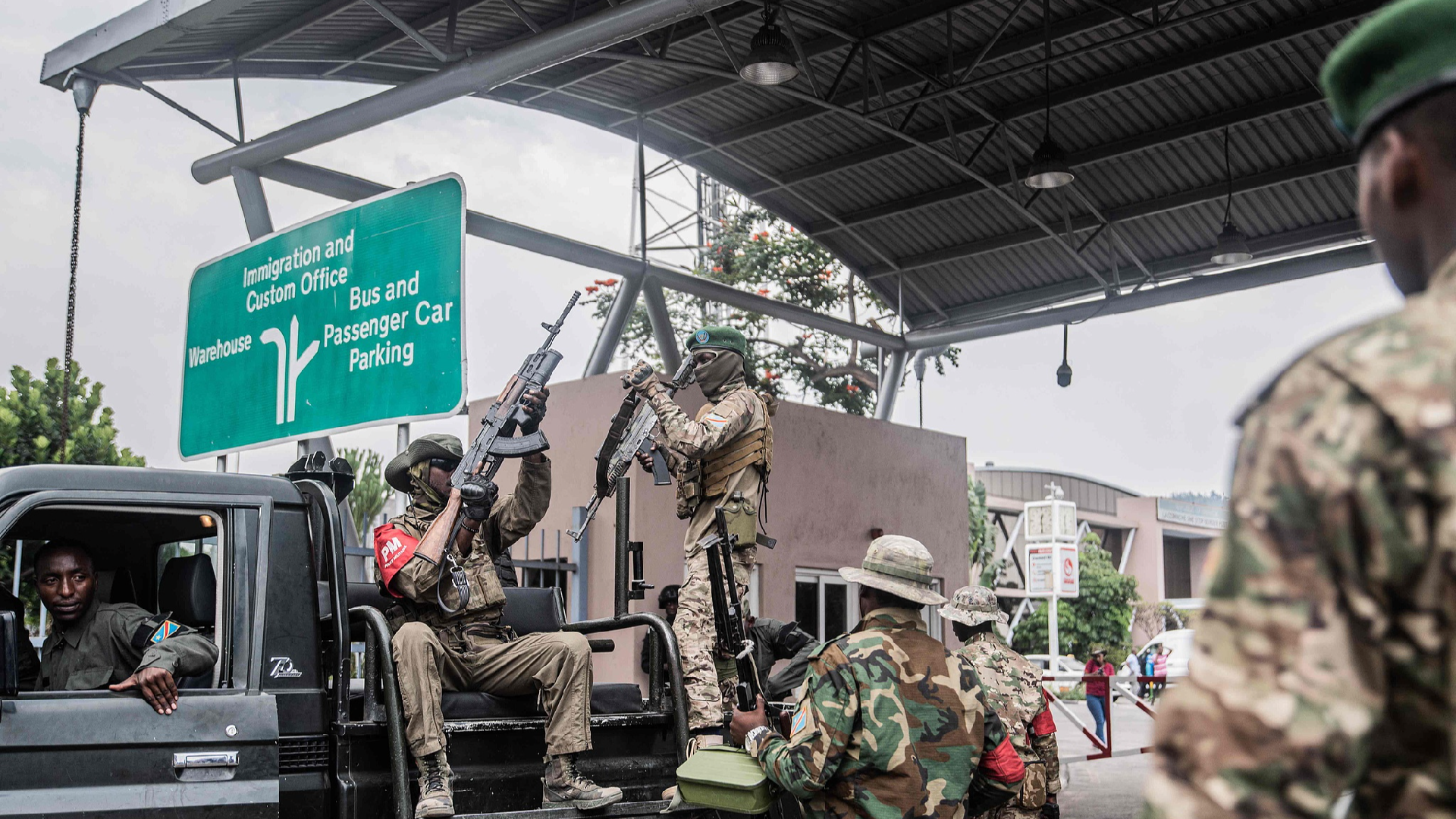
DR Congo and FDLR Reach Disarmament Agreement Amid Regional Tensions
DRC disarmament agreement FDLR — The Democratic Republic of the Congo (DRC) has officially announced that the Democratic Forces for the Liberation of Rwanda (FDLR), an armed group known for its involvement in the ongoing violence in the eastern regions of the country, has agreed to a disarmament protocol. This significant development, resulting from negotiations facilitated by Qatar, represents a potential turning point in a conflict that has persisted for decades, deeply rooted in the historical complexities of the Great Lakes region, particularly following the Rwandan genocide in the 1990s.
The protocol signed between the DRC and the FDLR outlines the group’s commitment to voluntarily disarm, cease all hostilities, and facilitate the return of its fighters to Rwanda. This agreement is viewed by the DRC government as an essential step toward restoring stability in eastern Congo, a region that has been plagued by violence, lawlessness, and human rights abuses linked to various militia groups, including the FDLR.
Officials from Kinshasa have highlighted that this disarmament agreement aligns with the Washington peace accord, signed in June 2025, which was brokered by the United States to address cross-border tensions between the DRC and Rwanda. The accord sought to enhance security across the turbulent Great Lakes region, where various armed groups have long operated, often exacerbating the vulnerabilities of local populations. The DRC’s government views the FDLR’s disarmament as a crucial aspect of implementing the provisions of this peace accord.
Despite the optimism expressed by DRC officials, the Rwandan government has responded with skepticism regarding the legitimacy of the agreement. Rwandan authorities assert that the protocol falls outside the established parameters of the Washington accord, which they claim included a joint supervisory mechanism specifically designed for the neutralization of the FDLR. This disagreement raises concerns that the DRC’s unilateral announcement could complicate ongoing efforts to effectively address the FDLR’s activities in the region.
The FDLR has been implicated in numerous human rights violations over the years, including attacks on civilian populations and recruitment of child soldiers. Their disarmament could potentially lead to a decrease in violence in eastern Congo, a region where the humanitarian crisis continues to escalate due to armed conflict and displacement. However, the doubts expressed by Rwanda regarding the agreement’s framework cast uncertainty over the feasibility of the disarmament process and its implications for broader regional security.
As the DRC moves forward with this agreement, the reactions from regional stakeholders will be critical in determining the path ahead. The potential for increased stability hinges not only on the FDLR’s compliance with the disarmament protocol but also on the ability of the DRC and Rwanda to navigate their complex relationship and reinforce the commitments made in the Washington peace accord. Observers remain cautious, as the history of conflict in the region suggests that any progress could be fragile without sustained diplomatic engagement and cooperation among all parties involved.