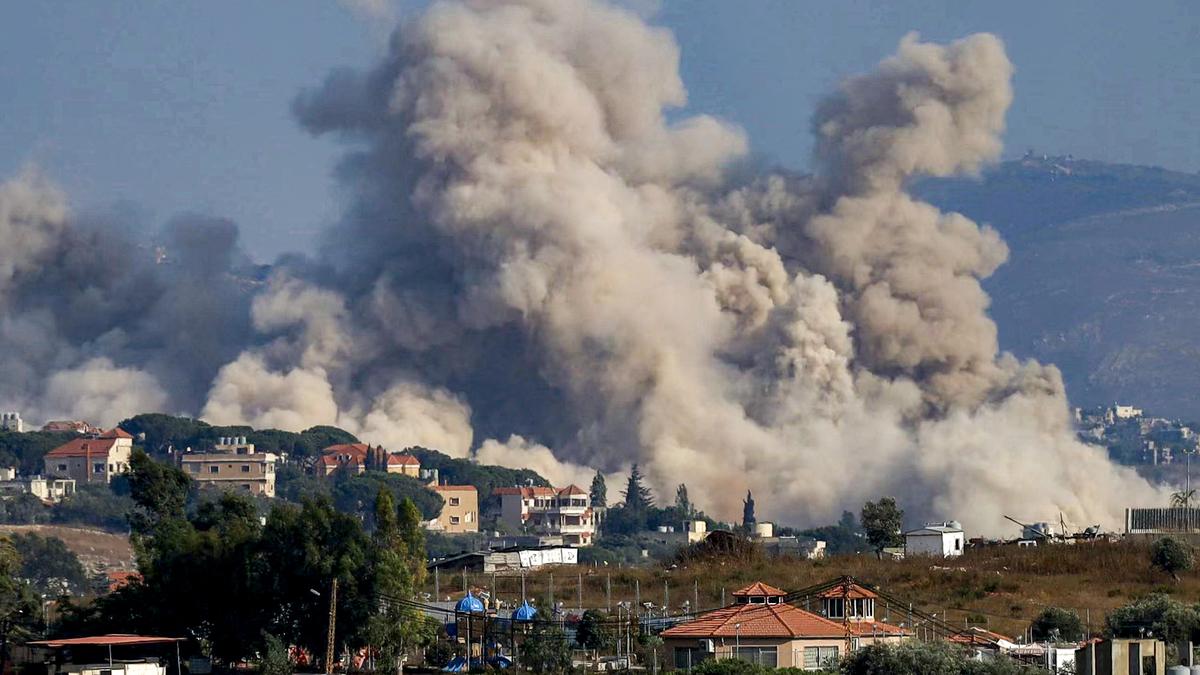
Escalating Tensions as Hezbollah Launches Drone Amid Fragile Ceasefire
Israel Hezbollah drone launch — The Israeli Defense Forces (IDF) have accused Hezbollah, a powerful Lebanese militant group with close ties to Iran, of breaching a fragile ceasefire agreement by launching a drone from southern Lebanon. The incident occurred in a strategically sensitive area, approximately 10 kilometers into Lebanese territory, where Israeli forces are actively deployed. This region has long been a focal point of military tension, especially given its proximity to the Israel-Lebanon border.
According to the IDF, the drone launch constitutes a serious violation of the truce, which has been precarious in the wake of escalating hostilities between Israel and Hezbollah in recent months. The group, known for its military capabilities and political influence in Lebanon, has a history of engaging in armed conflict with Israel, particularly since the 2006 Lebanon War, which left lasting scars on both sides and significantly altered the security landscape of the region.
The IDF reported that the drone was intercepted before it could reach its intended target, but the incident underscores the fragile security situation along the Israel-Lebanon border. This area remains heavily militarized, with both Israeli and Hezbollah forces maintaining a significant military presence, which has led to an atmosphere of constant vigilance and readiness for potential conflict. The ongoing military activities and confrontations have raised concerns about the possibility of renewed hostilities that could spiral out of control.
Hezbollah has yet to issue an official response to the IDF’s accusations. However, the group has consistently maintained its stance of resistance against Israeli operations within Lebanon. This latest drone launch may be viewed as a demonstration of its military capabilities and a signal of defiance amid the ongoing tensions. Analysts suggest that Hezbollah’s actions may be motivated by both internal and external pressures, as the group seeks to assert its influence domestically while also responding to perceived threats from Israel.
The implications of this incident extend beyond the immediate conflict. International observers are closely monitoring the situation, particularly in light of the broader regional dynamics involving Iran, Israel, and various non-state actors. The United Nations Interim Force in Lebanon (UNIFIL), which is responsible for maintaining peace along the border, may face increased scrutiny and pressure to intervene, especially if tensions escalate further. The UNIFIL’s role has been crucial in attempting to stabilize the region since the end of the 2006 conflict, but its effectiveness has often been challenged by ongoing hostilities and violations of ceasefire agreements.
As both sides remain on high alert, the potential for miscalculation or unintended escalation looms large. The fragile ceasefire, already tested by previous confrontations, could be further jeopardized if Hezbollah or Israeli forces perceive a need to respond militarily to provocations. The situation is compounded by the complex geopolitical landscape of the Middle East, where alliances and hostilities are often shifting, making any resolution to the conflict increasingly challenging.
In summary, the launch of the drone by Hezbollah not only raises immediate concerns about the stability of the Israel-Lebanon border but also reflects the broader regional tensions that continue to shape the security dynamics in the Balkans and the Middle East. As both sides navigate this precarious situation, the international community watches closely, hoping to prevent a resurgence of violence that could have far-reaching consequences for the region.