Rescue Efforts Intensify in Kumamoto Following Deadly Earthquake
Japan earthquake July 2026 — A powerful earthquake measuring 7.1 on the Richter scale struck Kumamoto Prefecture in southern Japan on July 28, 2026, leading to a tragic death toll of at least 13 individuals. As rescue operations enter their second day, emergency teams are actively searching for seven individuals who remain unaccounted for. The earthquake has devastated communities, bringing both destruction and fear to an area that is no stranger to seismic activity.
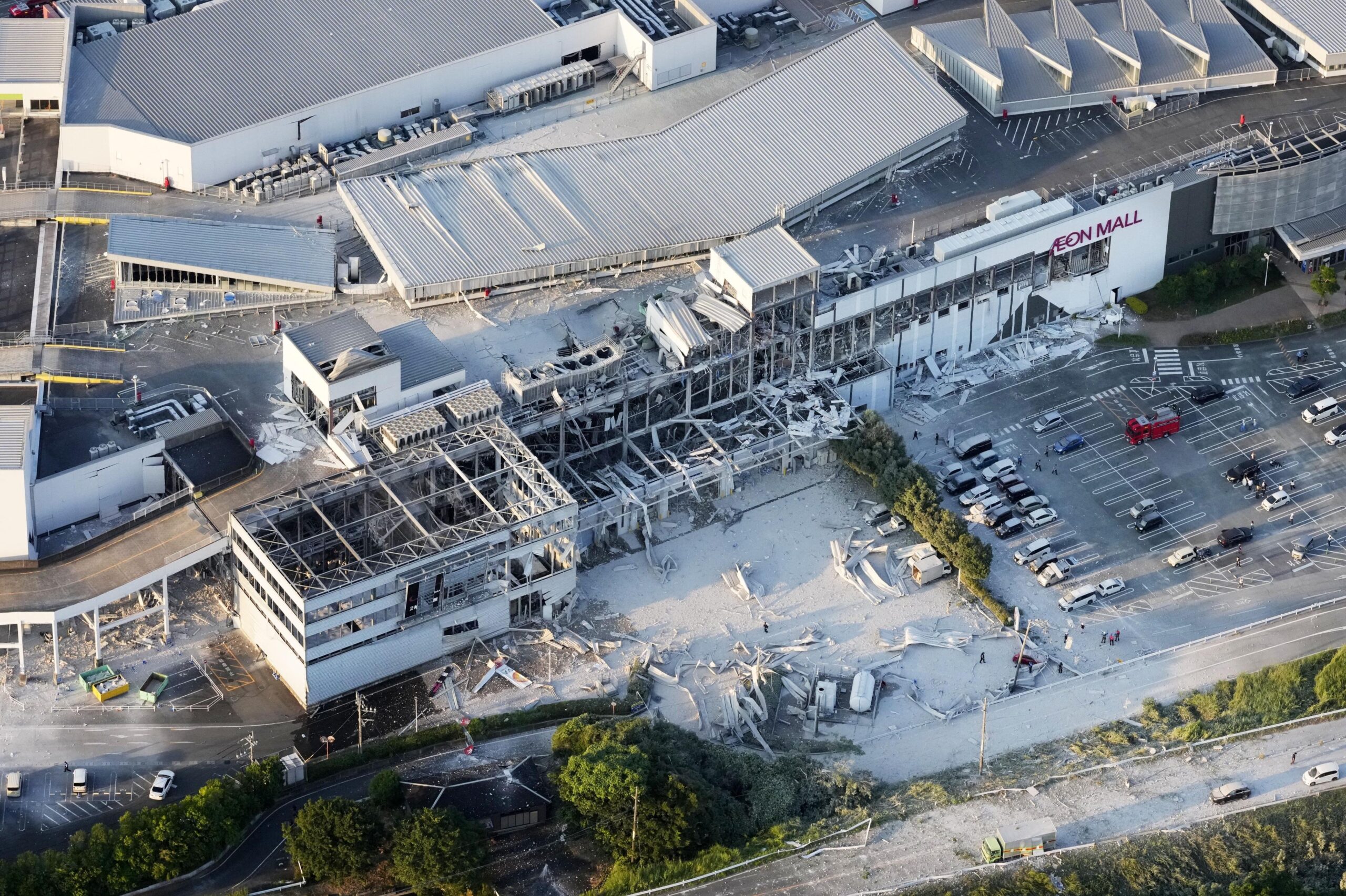
One of the focal points of the rescue efforts is the Aeon Mall in Kashima, where a significant portion of the second floor collapsed during the quake. The situation was further complicated shortly after the initial tremor when an explosion occurred, causing additional damage to the already compromised structure. Authorities are currently investigating the explosion, with preliminary reports suggesting it may have been triggered by a gas leak. An employee of the mall, who was evacuated during the initial quake, recounted to TBS that upon returning, she and her colleagues detected a strong smell of gas, raising concerns about safety in the aftermath of the disaster.
Witnesses described the explosion as sounding similar to a bomb, occurring approximately an hour after the earthquake. The Japan Meteorological Agency has issued warnings to residents in the hardest-hit areas, advising them to remain vigilant for potential aftershocks and landslides in the coming days. Given Japan’s geological history, where the country experiences thousands of earthquakes each year, this warning underscores the ongoing risks faced by affected communities.
Tragic reports have emerged of individuals trapped under the rubble of collapsed homes across the region. At Nippon Paper Industries in Yatsushiro, a chimney collapse has left several workers in peril. Current reports indicate that four individuals are in critical condition, while seven remain unaccounted for at the site. The scale of the damage has prompted a swift response from emergency services, who are working tirelessly to locate survivors amidst the ruins.
In the neighboring city of Kagoshima, at least 30 people sustained injuries, with local hospitals receiving around 40 injured individuals from Yatsushiro and another 50 from the capital of the prefecture. Emergency services, including firefighters and police, have been operating throughout the night, focusing their efforts on areas where calls for help have been received. The dedication of these teams is emblematic of Japan’s preparedness for natural disasters, a necessity in a country frequently impacted by earthquakes and tsunamis.
The earthquake has also caused extensive damage to infrastructure, including roads, bridges, and buildings. Fires and power outages have been reported in certain regions, leading Japan’s Minister of State for Disaster Management, Sanae Takaichi, to advise approximately 300,000 residents to evacuate their homes and seek shelter elsewhere. This mass evacuation highlights the scale of the disaster and the urgent need for safe havens for those displaced.
Fortunately, the Nuclear Regulation Authority of Japan has reported no irregularities at the nuclear power plants situated in the affected areas, alleviating concerns about potential nuclear incidents amidst the chaos. As rescue efforts continue, the focus remains on ensuring the safety and well-being of those impacted by this devastating natural disaster. The resilience of the Japanese people, coupled with the swift response of emergency services, will be pivotal in the days to come as the region begins to grapple with the aftermath of this calamity.