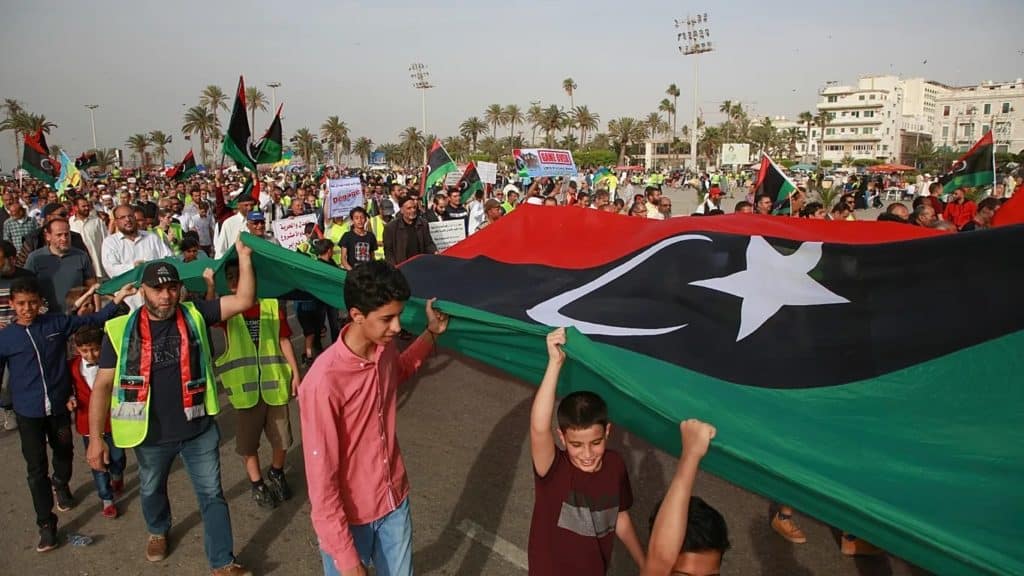
Public Outcry in Tripoli Over Electricity Crisis
Tripoli protests electricity outages — Tripoli, the capital of Libya, is currently witnessing a wave of protests as citizens express their mounting frustration over persistent electricity shortages that have plagued the city. Hundreds of residents have taken to the streets, blocking major thoroughfares in a resolute demand for immediate action from the authorities. The protests, which erupted in recent days, reflect a deep-seated discontent among the populace regarding the inadequacy of essential services provided by the government.
The ongoing demonstrations have been ignited by daily power cuts that have severely disrupted daily life in Tripoli. Residents are increasingly exasperated by the unreliable electricity supply, which has not only affected their comfort but has also hindered economic activities and essential services. The situation has reached a critical point, with many citizens struggling to cope with the implications of these outages on their livelihoods. For a country already grappling with the consequences of years of conflict and political upheaval following the 2011 uprising that led to the ousting of long-time leader Muammar Gaddafi, the electricity crisis has further exacerbated the already deteriorating living conditions.
Protesters are not merely voicing their grievances about the electricity shortages; they are also expressing their anger towards the broader failures of the Libyan government to deliver basic services. The frustration is palpable as demonstrators accuse the authorities of neglecting their responsibilities and failing to address the pressing needs of the population. This growing discontent is indicative of a larger sentiment among the Libyan people, who feel increasingly abandoned by a government that has struggled to maintain stability and provide essential services in a post-conflict environment.
As protests continue to unfold, the atmosphere in Tripoli remains tense. Security forces have been deployed throughout various parts of the city in an attempt to manage the unrest and prevent the situation from escalating. The government’s response to the protests has drawn criticism, particularly regarding its inability to restore a reliable electricity supply, which is vital for both households and businesses. The ongoing civil strife in Libya has complicated efforts to improve infrastructure and public services, leading to heightened frustration among citizens who feel their basic needs are not being met.
The protests in Tripoli underscore the broader challenges facing Libya as it navigates the aftermath of years of conflict and instability. With the country’s infrastructure in disrepair and essential services lacking, the public’s patience appears to be wearing thin. Many residents are calling for accountability and a change in leadership, hoping that new governance could lead to improvements in their daily lives. The electricity crisis has thus become a focal point for the frustrations of a population yearning for progress and stability.
As the situation evolves, the response from the government will be critical in determining whether the protests will escalate or lead to meaningful dialogue about the pressing issues facing the country. The citizens of Tripoli, and indeed Libya as a whole, are watching closely to see if their voices will be heard and if their demands for a more reliable electricity supply will be met. The outcome of these protests may very well shape the future of governance and public trust in Libya, a nation still grappling with the repercussions of its tumultuous past.