U.S. Pushes for UN Blacklist of Vessels Linked to North Korean Sanctions Violations
North Korea sanctions vessels — The United States has taken a significant step in its ongoing campaign to enforce international sanctions against North Korea by proposing the blacklisting of seven additional vessels. This proposal, submitted to the United Nations on Monday, brings the total number of ships awaiting designation to 14. The move underscores persistent concerns over illicit maritime activities that are believed to be facilitating North Korea’s evasion of sanctions aimed at curtailing its nuclear weapons program.
The vessels identified in the U.S. proposal are reportedly involved in trade operations that contravene established sanctions, particularly in the vital sectors of coal and oil. These resources are crucial for the North Korean economy, and their illicit trade has been a focal point of international scrutiny. The U.S. has long maintained that such activities not only undermine the sanctions regime but also enable the North Korean government to fund its controversial nuclear and missile development initiatives.
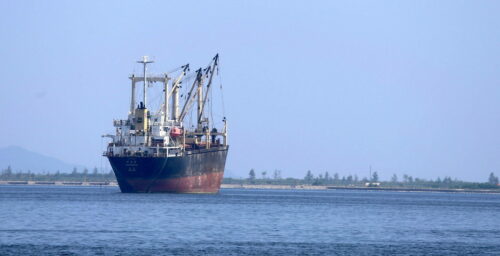
Among the ships listed for potential blacklisting is a freighter that South Korean authorities detained in March on suspicions of facilitating smuggling operations. This incident highlights the active role that regional actors, particularly South Korea, are playing in enforcing UN sanctions. The detention of the freighter aligns with a broader strategy in East Asia to monitor and restrict maritime trade that could support North Korea’s military ambitions. The ongoing tensions on the Korean Peninsula, exacerbated by North Korea’s nuclear tests and missile launches, have prompted both the U.S. and South Korea to strengthen their enforcement measures against sanctions violations.
The U.S. motion to blacklist these additional vessels marks its second initiative of this nature since December, when it first proposed designating more ships suspected of breaching the sanctions regime. This proactive approach reflects Washington’s commitment to holding accountable those who facilitate illegal trade with North Korea. The UN Security Council has implemented a series of sanctions against North Korea in response to its aggressive nuclear ambitions, but the enforcement of these measures remains a complex challenge. Ships often change flags and ownership, making it difficult to track their activities and ensure compliance with international regulations.
The proposed blacklist not only targets specific vessels but also serves as a broader reminder of the intricate dynamics of international diplomacy surrounding North Korea. The effectiveness of economic sanctions as a tool for influencing North Korean behavior has been a subject of debate among policymakers and analysts. While sanctions are intended to pressure the regime into compliance with international norms, the reality is that enforcement can be inconsistent, especially when dealing with clandestine maritime operations.
Furthermore, the implications of this proposed blacklist extend beyond immediate trade restrictions. They signal to the international community the United States’ determination to uphold the sanctions framework and address violations that threaten regional stability. As the situation continues to evolve, the responses from North Korea and its allies will be closely watched. The effectiveness of these sanctions and the international community’s collective response will play a critical role in shaping future diplomatic engagements with the DPRK.
In light of these developments, the focus on maritime enforcement highlights the complexities of sanctioning a nation that has historically demonstrated a willingness to circumvent international norms. The U.S. and its allies, particularly in East Asia, are likely to continue their efforts to monitor and address violations, as they seek to balance diplomatic engagement with the necessity of holding North Korea accountable for its actions.